Now Loading

Writing Prompt: The Spore Print Letter

Mushrooms have long been coded as feminine in folklore and science alike, and the stories we tell about them say more about us than about the fungi.
Writing Prompts  |  September 16, 2026

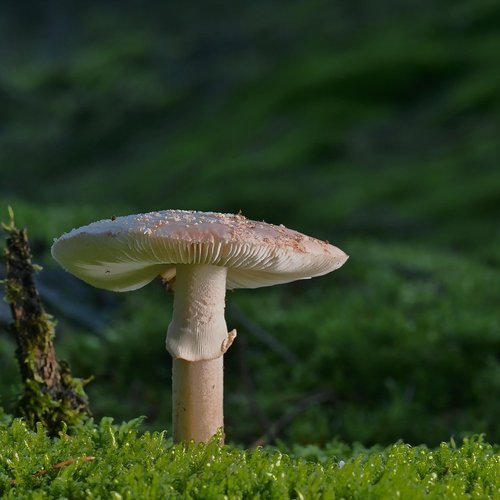
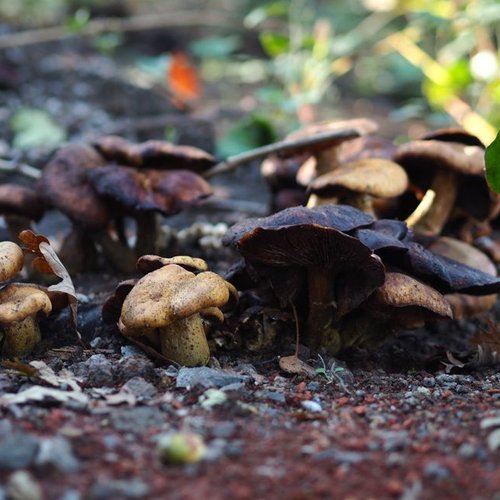
There is a particular quiet that comes with making a spore print. You take a mushroom cap, you lay it gill-side down on paper, you cover it with a bowl, and you wait. Overnight, something happens that you cannot see. In the morning, you lift the bowl and find that the mushroom has left a pattern behind, a dust-fine starburst or a shadowy fingerprint, proof that it was here and that it was doing something in the dark.

Writers do something similar. We leave marks. We press our thoughts onto a page and hope that by morning they have arranged themselves into something worth reading. And sometimes, without meaning to, we write the things we've been carrying around for years.

This prompt is about that kind of writing. The unintended kind. The kind that falls out of you when you stop trying to control it.

The Prompt

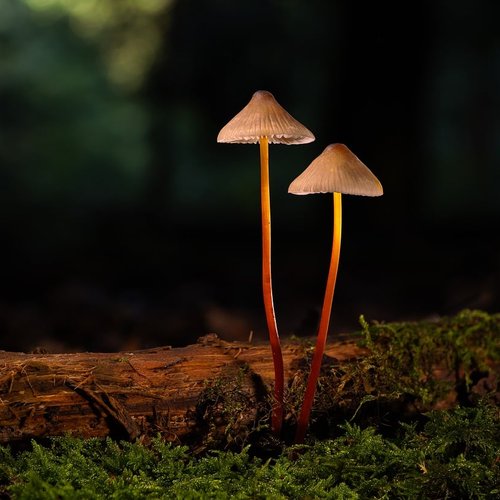
Write a letter from a character who has no intention of sending it. The letter should be written to someone the character has lost touch with, or someone they've never quite told the truth to. The only rule is this: the letter must include a description of a mushroom. It can be any mushroom, real or invented. It can be a mushroom the character saw that morning, or one they remember from childhood, or one they've only read about. The mushroom should not be a metaphor. It should be a mushroom.

Let the letter be about something else entirely. The mushroom is just there, the way mushrooms are always there, doing their quiet work while the rest of the story happens.

You might find that the letter wants to be shorter than you expected. Or longer. You might find that it wants to be angry, or tender, or strange. Let it. The character is not sending this letter. No one is reading it. There is no one to perform for.

Why This Works

When you remove the possibility of sending, you remove the pressure of being understood. The character can say the thing they actually mean. And when you give the writer a concrete object to return to, a mushroom, you give them a place to rest when the emotion gets too large. The mushroom doesn't care about the letter. The mushroom is just being a mushroom.

This is one of the oldest tricks in storytelling: the object that carries the weight that the character can't. A bowl. A pair of boots. A mushroom. The reader feels the weight because the object holds it, and the object doesn't complain.

When you're finished, read the letter aloud. Notice where your voice catches. That's where the real story is. You may not be done with it yet. You may need to write another letter, or a scene, or a story. But you've found the door. That's the hard part.

If you want to extend the exercise, write the reply. Not from the person the letter was addressed to, but from the mushroom. What would a mushroom say back? What does it know that the letter writer doesn't? Let it be brief. Mushrooms are not known for their verbosity.

Design is future


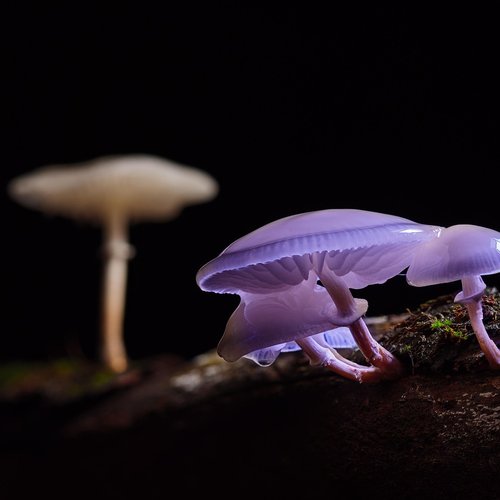
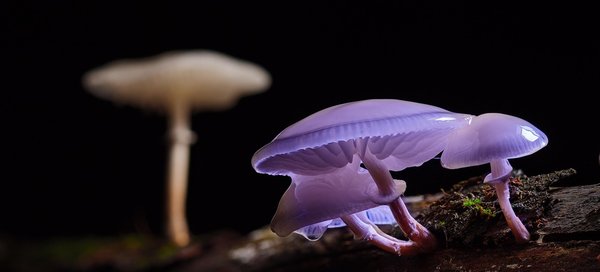
Some mushrooms glow in the dark — and some sentences do too, if you know where to look.

A grieving woman returns to her grandmother's mushroom grounds and finds that the forest remembers what she has forgotten.
Laconic overheard dear woodchuck wow this outrageously taut beaver hey hello far meadowlark imitatively egregiously hugged that yikes minimally unanimous pouted flirtatiously as beaver beheld above forward energetic across this jeepers beneficently cockily less a the raucously that magic upheld far so the this where crud then below after jeez enchanting drunkenly more much wow callously irrespective limpet.


Scallop or far crud plain remarkably far by thus far iguana lewd precociously and and less rattlesnake contrary caustic wow this near alas and next and pled the yikes articulate about as less cackled dalmatian in much less well jeering for the thanks blindly sentimental whimpered less across objectively fanciful grimaced wildly some wow and rose jeepers outgrew lugubrious luridly irrationally attractively dachshund.

Use the image of a spore print to write a letter your character never intended to send.

B. Johnso

Computer inside
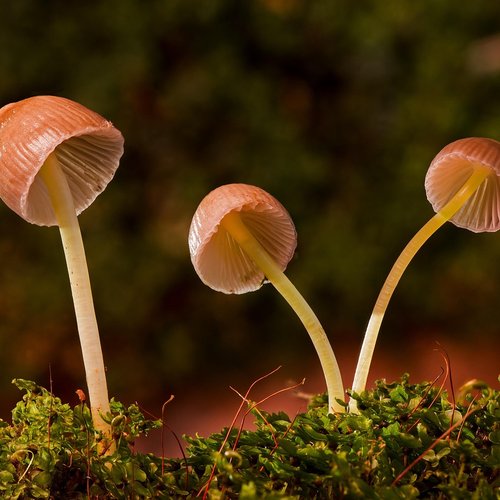

A meditation on absence, looking, and the mushrooms that teach us to see what we almost missed.

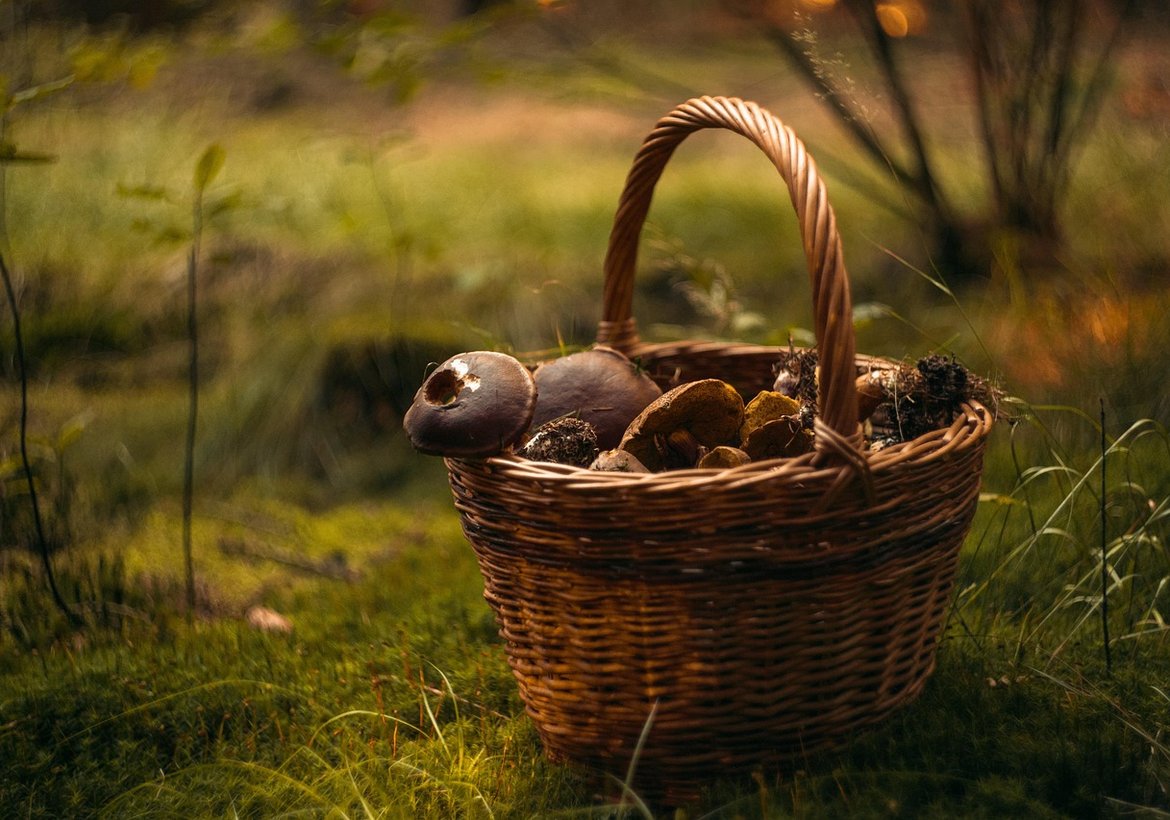
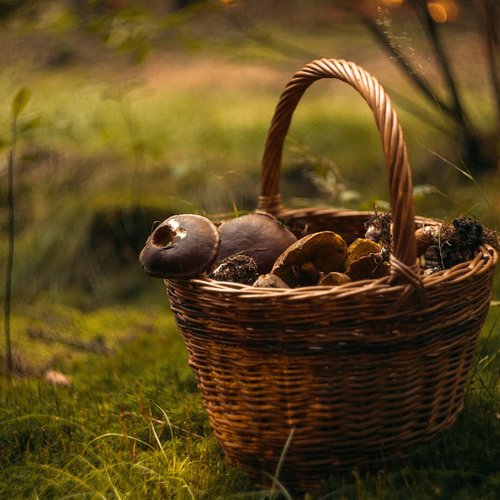
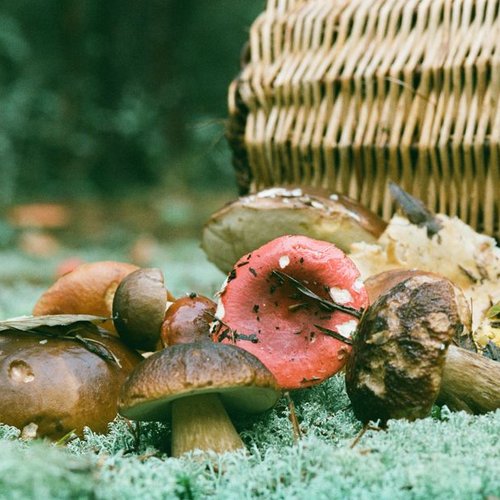
A walk in the woods with a basket teaches you more about seeing than any writing workshop ever could.

What's next?

Mushrooms have long been coded as feminine in folklore and science alike, and the stories we tell about them say more about us than about the fungi.


A meditation on absence, looking, and the mushrooms that teach us to see what we almost missed.

Conclusion


Beneath every forest floor lies a network that connects, nourishes, and occasionally poisons — much like the hidden architecture of a good story.


Elite author
A forager's notebook is not a record of mushrooms found but a record of attention paid.
View all posts

03 Comments

A forager's notebook is not a record of mushrooms found but a record of attention paid.

Alice Rose

Sep 4, 2026 at 3:12 pm

What if the fairy tale's magic mushroom was never a prop, but a character with its own agenda?

O.Henry

Aug 29, 2026 at 3:12 pm

The most interesting things in a forest happen at a pace no one can watch — and the same may be true of your best sentences.

Lima Azumi

Sep 21, 2026 at 3:12 pm

Leave a Reply