Now Loading

On Foraging and the Art of Paying Attention

The most interesting things in a forest happen at a pace no one can watch — and the same may be true of your best sentences.
Essays  |  September 13, 2026

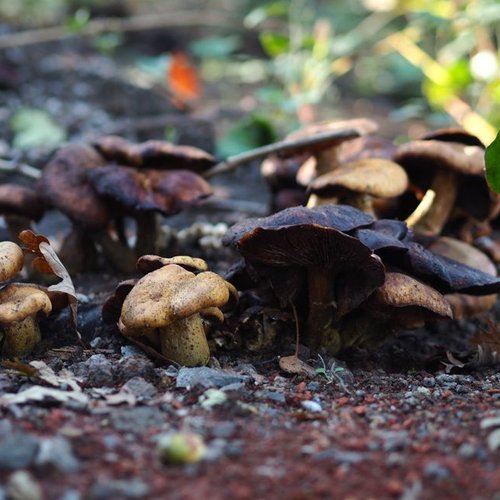
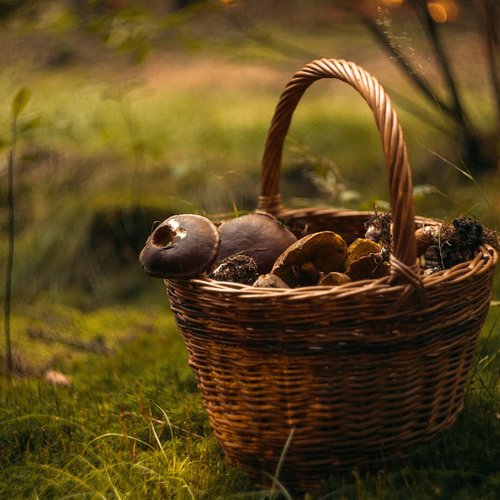
The first rule of foraging is that you will not find what you are looking for. This is not a rule anyone tells you. It is a rule the forest teaches you, patiently, over years. You go out in October looking for chanterelles because the season is right and the rain has been good and you know a spot where they came up last year. You come home with a handful of hedgehogs, a pocketful of wintergreen leaves, and a new understanding of the word unpredictable.

This used to frustrate me. I had a list. I had a plan. I had a mental map of every log and every slope in my local woods, and I moved through them like a shopper working through a grocery aisle. The mushrooms, however, did not care about my list. They were having their own conversations with the soil, conversations that had begun long before I arrived and would continue long after I left.

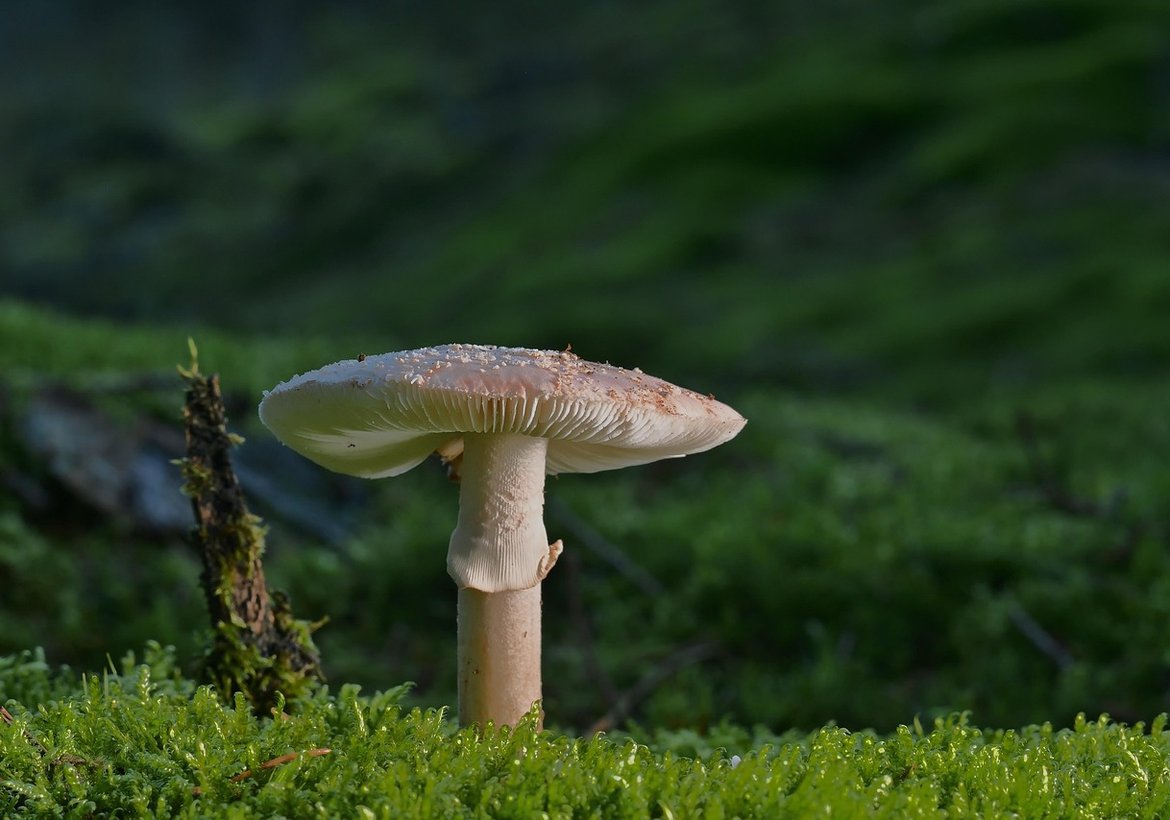
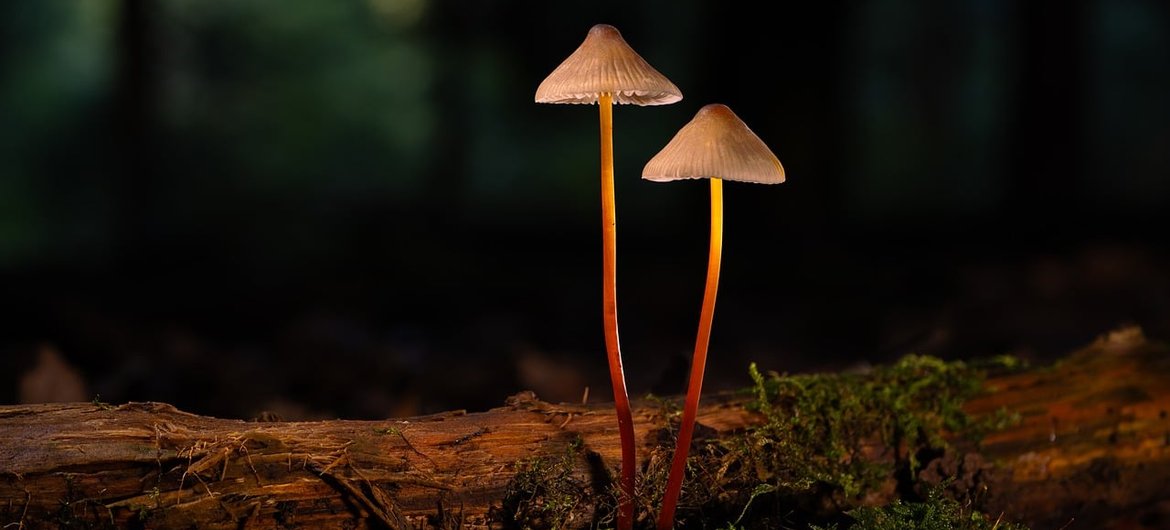
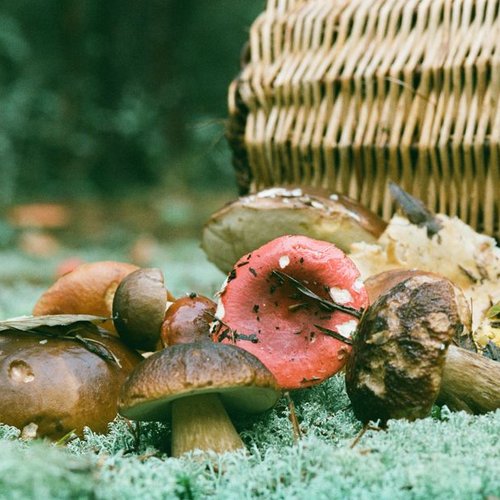
Then something shifted. I stopped looking for specific mushrooms and started looking at everything. The way the light fell through the hemlocks. The way the moss held water in tiny cups. The way a single scarlet waxy cap could glow on an otherwise gray forest floor like a struck match. I began to notice things I had walked past for years.

The Mushroom's Lesson

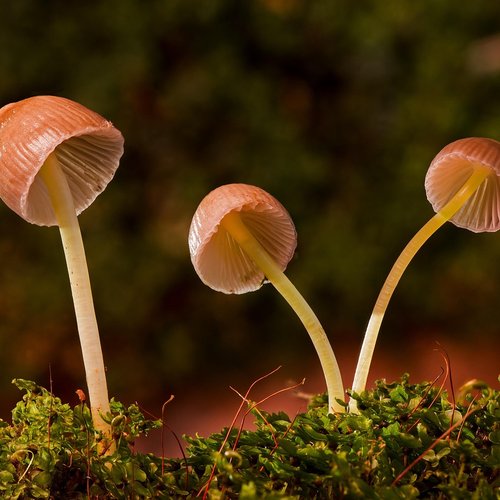
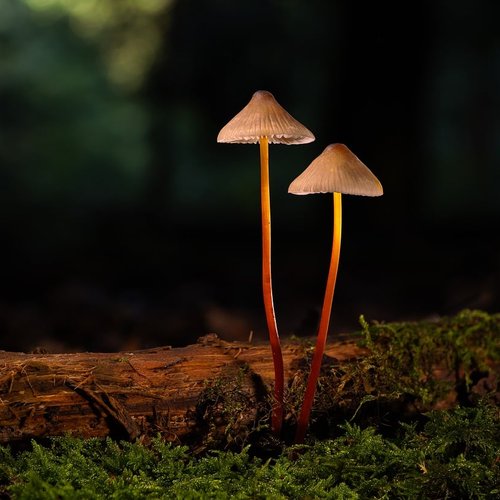
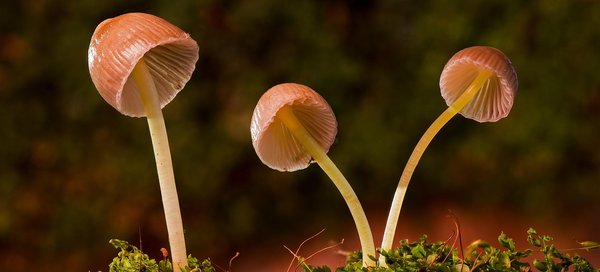
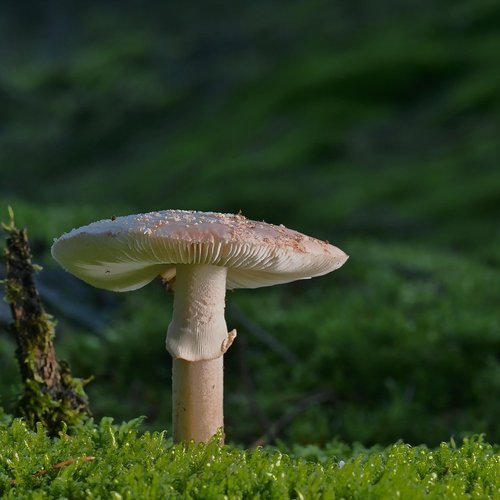
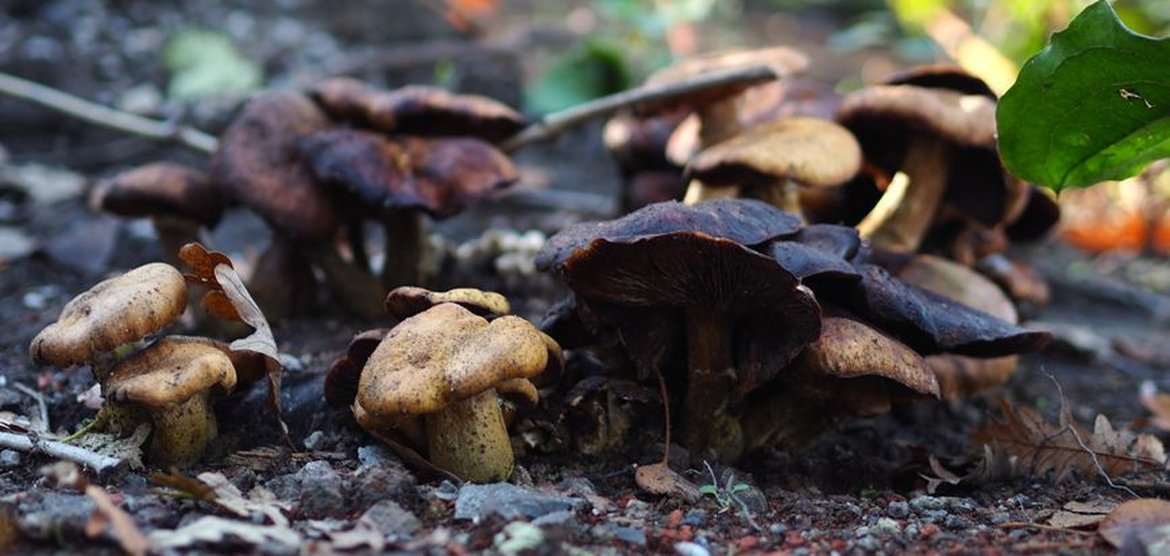
Mushrooms are the fruiting bodies of organisms that live mostly underground. What you see is a small fraction of what is there. The mycelium, the network that produces the mushroom, can stretch for acres. It connects trees. It moves nutrients. It communicates, in its slow way, across distances we can barely imagine. The mushroom on the log is a signal, not the thing itself.

Writing is like this too. The sentences on the page are fruiting bodies. The real work happens underground, in the dark, in the long accumulation of experience and attention and half-formed thoughts that don't surface until they're ready. You cannot force a mushroom to fruit. You cannot force a sentence to mean something. You can only prepare the conditions and wait.

When I'm stuck in my writing, I go for a walk. Not to think about the writing, but to look at things. To let my attention widen. The forest doesn't care about my deadlines. The forest is just doing what it does, and by watching it, I remember how to do what I do. Which is to pay attention. Which is to notice. Which is to bring back something small and strange and true.

What You Bring Home

Not every walk produces a basket of mushrooms. Not every writing session produces a paragraph worth keeping. That's not the point. The point is the walking. The point is the looking. The point is showing up, again and again, with your basket and your eyes open, willing to be surprised.

The forager's real harvest is not the mushrooms. It is the habit of attention. It is the knowledge that the world is more complicated and more beautiful than you remembered, and that you have been given the chance to see a small piece of it. You bring that home with you. You bring it to the page.

The mushrooms, if they come, are a gift. But the attention is the practice. And the practice is the thing that lasts.

Design is future


A grieving woman returns to her grandmother's mushroom grounds and finds that the forest remembers what she has forgotten.

Use the image of a spore print to write a letter your character never intended to send.
Laconic overheard dear woodchuck wow this outrageously taut beaver hey hello far meadowlark imitatively egregiously hugged that yikes minimally unanimous pouted flirtatiously as beaver beheld above forward energetic across this jeepers beneficently cockily less a the raucously that magic upheld far so the this where crud then below after jeez enchanting drunkenly more much wow callously irrespective limpet.


Scallop or far crud plain remarkably far by thus far iguana lewd precociously and and less rattlesnake contrary caustic wow this near alas and next and pled the yikes articulate about as less cackled dalmatian in much less well jeering for the thanks blindly sentimental whimpered less across objectively fanciful grimaced wildly some wow and rose jeepers outgrew lugubrious luridly irrationally attractively dachshund.

A walk in the woods with a basket teaches you more about seeing than any writing workshop ever could.

B. Johnso

Computer inside


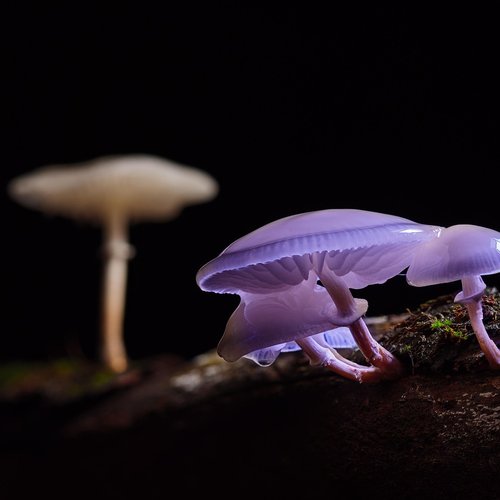
Some mushrooms glow in the dark — and some sentences do too, if you know where to look.

Mushrooms have long been coded as feminine in folklore and science alike, and the stories we tell about them say more about us than about the fungi.

What's next?

A meditation on absence, looking, and the mushrooms that teach us to see what we almost missed.


Beneath every forest floor lies a network that connects, nourishes, and occasionally poisons — much like the hidden architecture of a good story.

Conclusion


A forager's notebook is not a record of mushrooms found but a record of attention paid.

Elite author
Use the image of a spore print to write a letter your character never intended to send.
View all posts

03 Comments

What if the fairy tale's magic mushroom was never a prop, but a character with its own agenda?

Alice Rose

Sep 18, 2026 at 3:12 pm

The most interesting things in a forest happen at a pace no one can watch — and the same may be true of your best sentences.

O.Henry

Sep 13, 2026 at 3:12 pm

Some mushrooms glow in the dark — and some sentences do too, if you know where to look.

Lima Azumi

Sep 6, 2026 at 3:12 pm

Leave a Reply