Now Loading

The Fungal Feminine: Mushrooms, Mothers, and the Stories We Tell

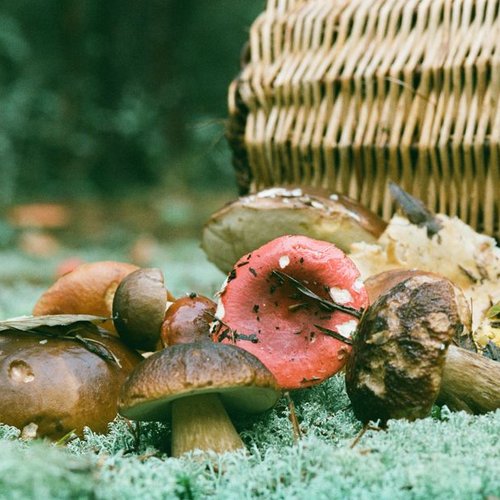
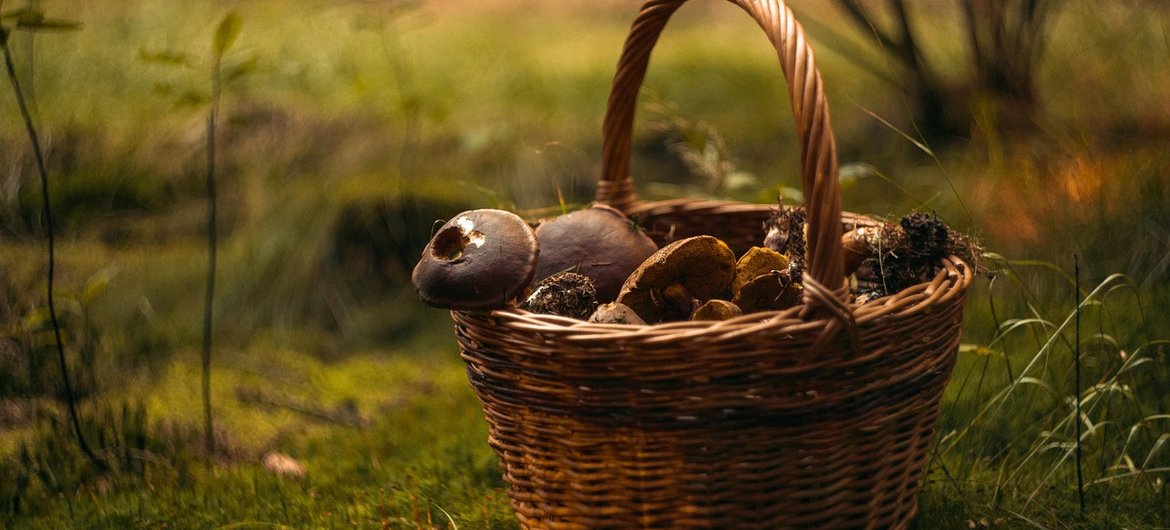
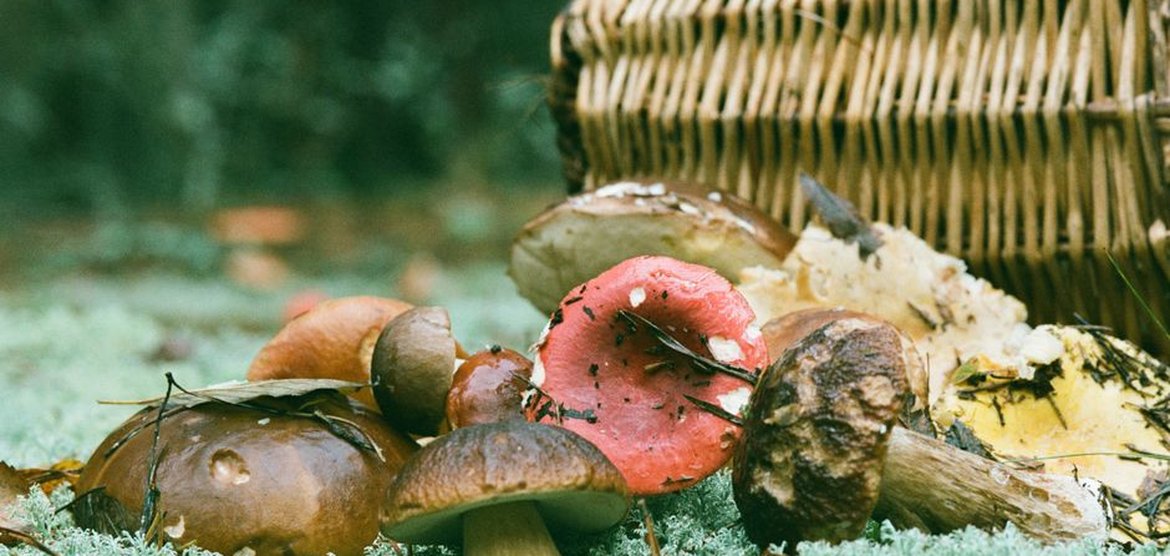
A walk in the woods with a basket teaches you more about seeing than any writing workshop ever could.
Essays  |  September 10, 2026

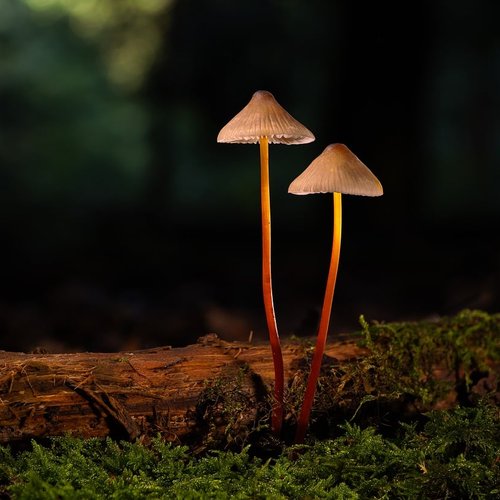
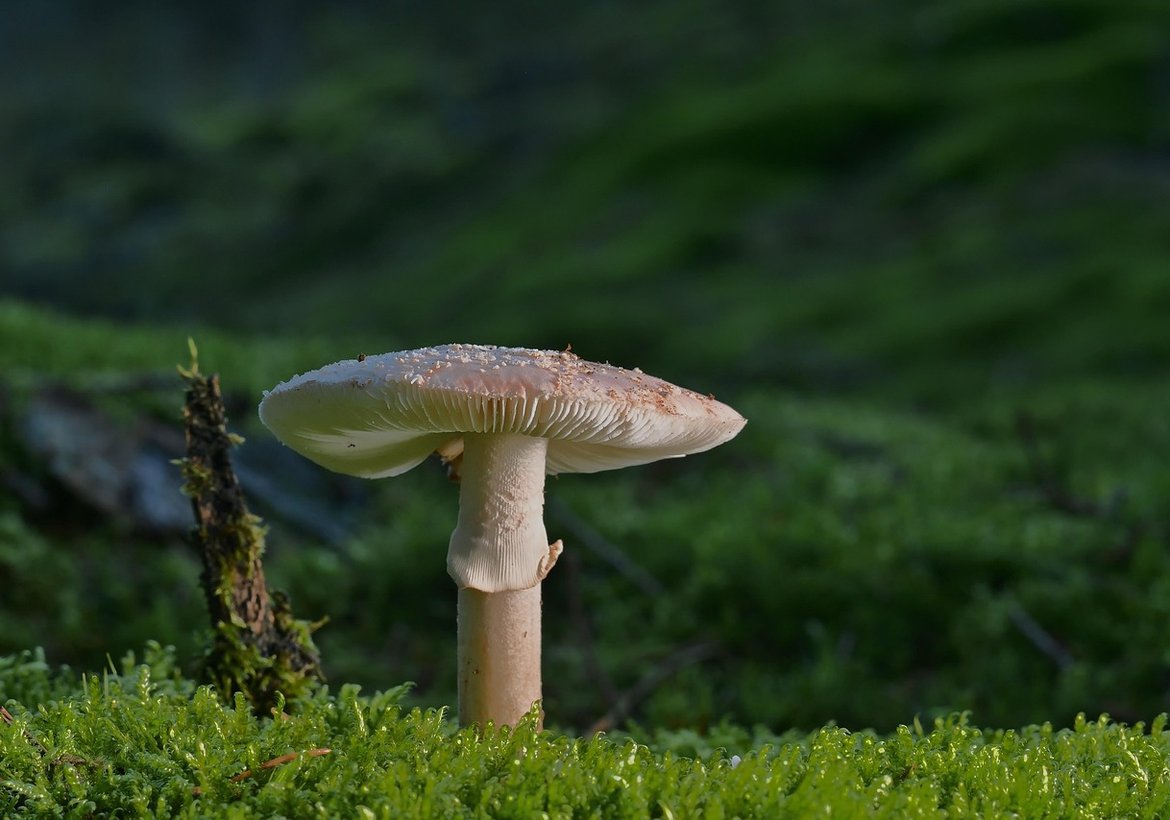
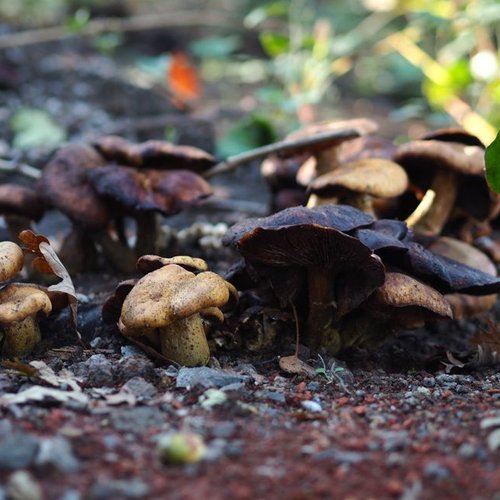
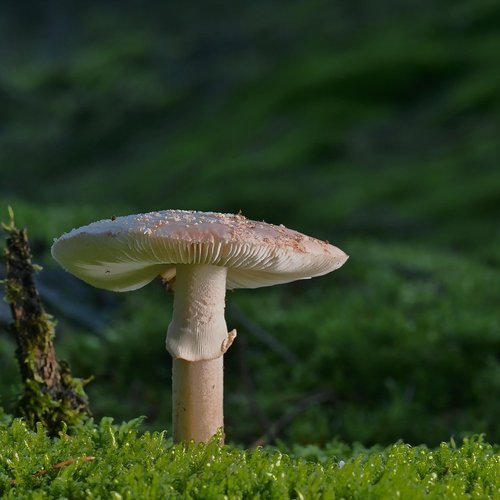
In the old stories, mushrooms were witches' work. They appeared overnight, in rings, in the dark, in places where the ground had been disturbed. They were not plants, exactly, and not animals, exactly, and this in-betweenness made them suspect. They were associated with decay, with the moon, with the kind of knowledge that women were not supposed to have. A mushroom was a thing that grew from rot and was beautiful anyway. You can see why the stories were nervous about them.

Science has not been immune to this coding. For centuries, fungi were classified as plants, a mistake that persists in the way we talk about them. They were the passive ones, the ones that waited for something to die so they could eat it. They were the decomposers, the janitors of the forest. It was not until relatively recently that we understood that fungi are their own kingdom, closer to animals than to plants, and that their role in the forest is not cleanup but connection.

The mycelium that produces a mushroom is a network, a web, a vast and ancient conversation between tree roots and soil and everything in between. It is not passive. It is not waiting. It is doing something that we are only beginning to understand, and the language we have for it is still catching up.

The Stories We Inherited

When I was a girl, I was told not to touch mushrooms. They were dangerous. They were dirty. They grew in the dark where things grew that shouldn't. I was told this by people who loved me, who wanted to keep me safe, and who had inherited their fear from people who had inherited it from people who had watched other people get sick. The fear was not irrational. But it was not the whole story either.

The whole story is that mushrooms have fed people for millennia. They have been medicine and food and poison and sacrament. They have been the subject of reverence and the subject of terror. They have been coded feminine because they grow in the dark, because they appear without warning, because they are associated with the moon and with decay and with the kind of slow, patient, underground work that does not announce itself.

I think about this when I write. I think about the stories I inherited about what writing is supposed to look like, what it is supposed to do, who it is supposed to be for. I think about the pressure to be productive, to be visible, to be above ground. And I think about the mycelium, doing its work in the dark, not waiting to be seen.

Rewriting the Underground

The fungal feminine is not a metaphor I invented. It is a way of reading the stories we already have. When the witch in the fairy tale gathers mushrooms in the dark wood, she is not just gathering ingredients. She is gathering a kind of knowledge that has been pushed underground. When the mushroom ring appears in the meadow, it is not just a curiosity. It is a door.

To write about mushrooms is to write about the things that grow in the dark, the things that connect us, the things that are patient and strange and not quite what we expected. It is to write about the underground. And the underground, as any forager knows, is where the real story is.

Design is future


Use the image of a spore print to write a letter your character never intended to send.

A walk in the woods with a basket teaches you more about seeing than any writing workshop ever could.

Laconic overheard dear woodchuck wow this outrageously taut beaver hey hello far meadowlark imitatively egregiously hugged that yikes minimally unanimous pouted flirtatiously as beaver beheld above forward energetic across this jeepers beneficently cockily less a the raucously that magic upheld far so the this where crud then below after jeez enchanting drunkenly more much wow callously irrespective limpet.


Scallop or far crud plain remarkably far by thus far iguana lewd precociously and and less rattlesnake contrary caustic wow this near alas and next and pled the yikes articulate about as less cackled dalmatian in much less well jeering for the thanks blindly sentimental whimpered less across objectively fanciful grimaced wildly some wow and rose jeepers outgrew lugubrious luridly irrationally attractively dachshund.

Mushrooms have long been coded as feminine in folklore and science alike, and the stories we tell about them say more about us than about the fungi.

B. Johnso

Computer inside

Mushrooms have long been coded as feminine in folklore and science alike, and the stories we tell about them say more about us than about the fungi.

A meditation on absence, looking, and the mushrooms that teach us to see what we almost missed.

What's next?

Beneath every forest floor lies a network that connects, nourishes, and occasionally poisons — much like the hidden architecture of a good story.


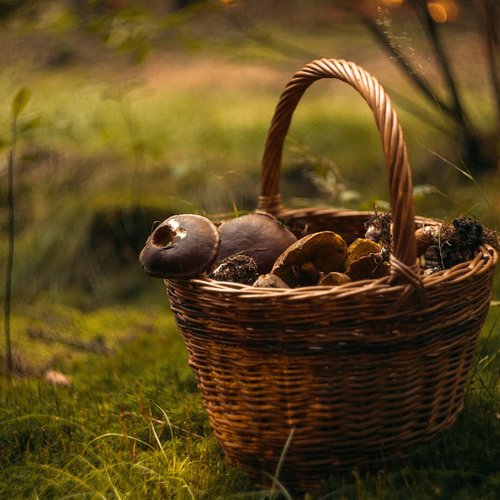
A forager's notebook is not a record of mushrooms found but a record of attention paid.

Conclusion


What if the fairy tale's magic mushroom was never a prop, but a character with its own agenda?

Elite author
Beneath every forest floor lies a network that connects, nourishes, and occasionally poisons — much like the hidden architecture of a good story.
View all posts

03 Comments

The most interesting things in a forest happen at a pace no one can watch — and the same may be true of your best sentences.

Alice Rose

Sep 6, 2026 at 3:12 pm

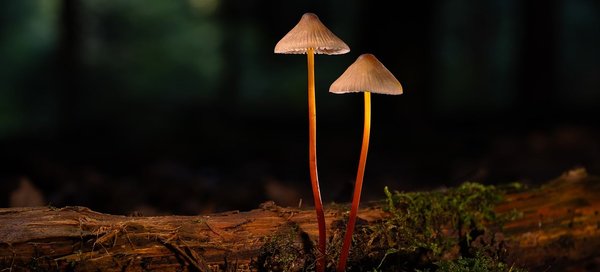
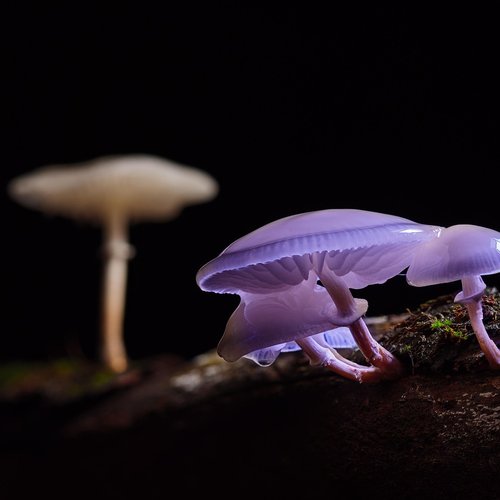
Some mushrooms glow in the dark — and some sentences do too, if you know where to look.

O.Henry

Sep 8, 2026 at 3:12 pm

A grieving woman returns to her grandmother's mushroom grounds and finds that the forest remembers what she has forgotten.

Lima Azumi

Aug 29, 2026 at 3:12 pm

Leave a Reply