Short Fiction | September 19, 2026
The first time Maren returned to the ridge after her grandmother died, she brought a paper map that had long since gone soft at the creases. Her grandmother had drawn it years ago in blue ballpoint, labeling each bend in the trail with the names of things: the leaning birch, the spring that never freezes, where the chanterelles hide. Maren had laughed at that last one when she was twelve. Hide. As though mushrooms were playing a game.
Now she walked slowly, the way her grandmother had taught her, eyes on the ground but never fixed. You had to look sideways at the forest, her grandmother said. Stare too hard and the mushrooms would vanish, like words you can only remember when you stop trying.
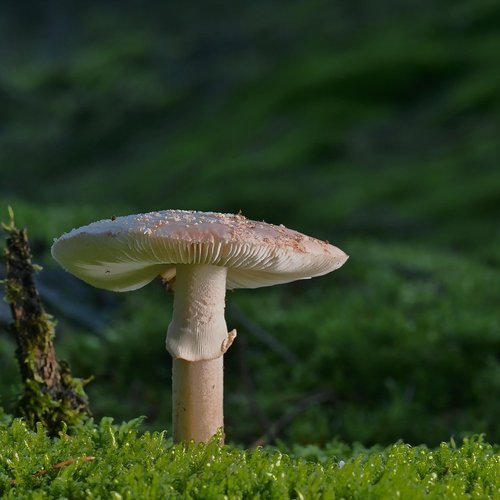
The trail was narrower than she remembered. Bracket fungi climbed the dead trunks like staircases, and somewhere above her a jay was scolding something Maren couldn't see. She stopped at the leaning birch, which had fallen years ago and was now a log furred with moss. Her grandmother's map was wrong about this part. Nothing stayed put in a forest. That was the first thing it taught you.
What the Ground Keeps
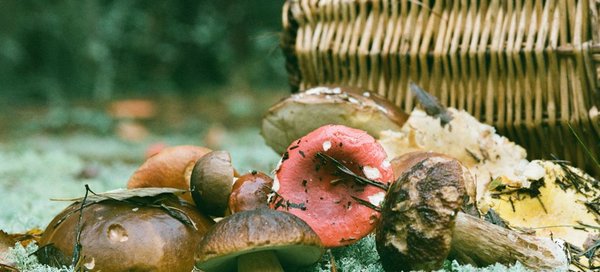
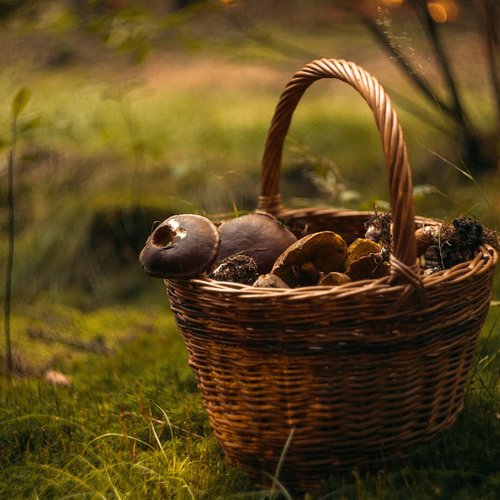
She found the chanterelles where the map promised they'd be, though not exactly. They had drifted a few feet downhill, golden and apricot-scented, pushing up through the duff in a loose scatter. Maren knelt and cut one at the stem the way her grandmother had shown her, with the small knife she still carried in her coat pocket, the handle worn pale by decades of thumbs.
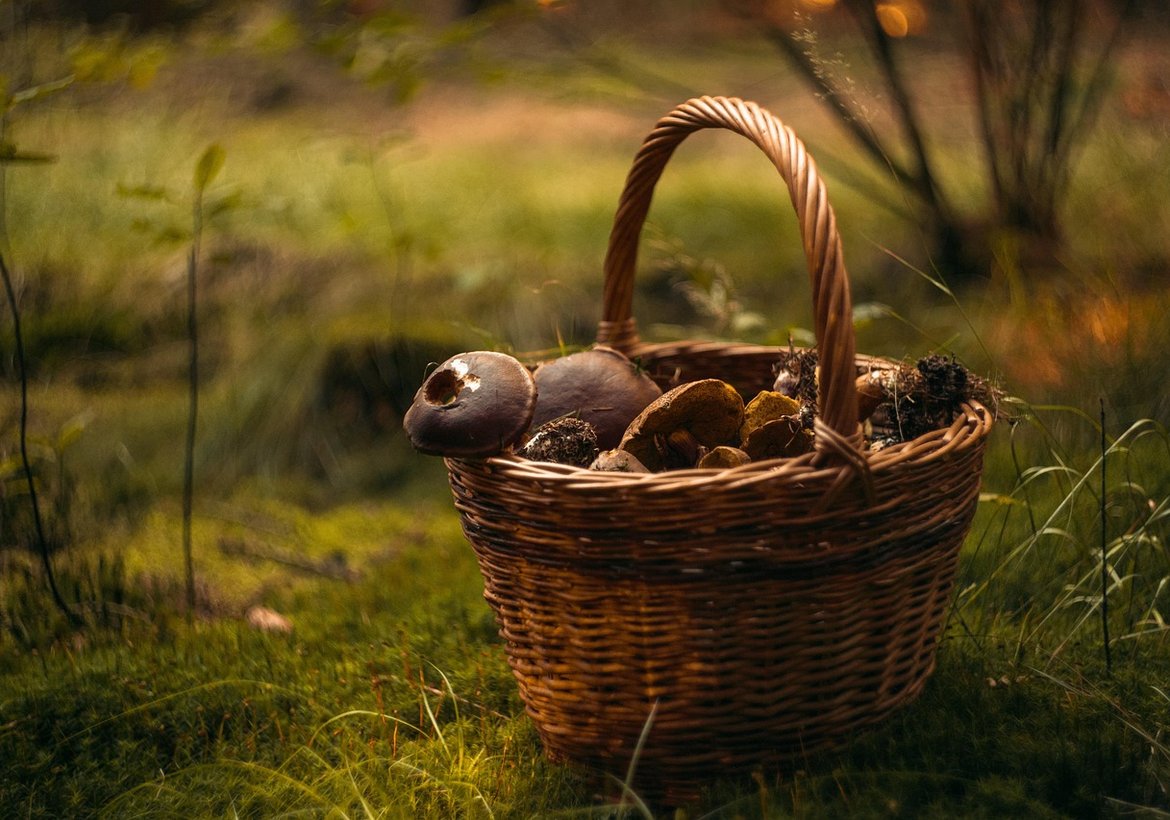
She thought about the last autumn, when her grandmother had been too tired to walk the ridge and had sent Maren alone with a list. Chanterelles if they're up. Hedgehogs if the ground's still warm. Don't bother with the puffballs, they're past. Maren had come back with a basket and a story about a fox she'd seen near the spring, and her grandmother had listened with her eyes closed and asked questions like she was reading a map from memory.
The grief came in waves, but out here it came differently. Not a wave, but a slow seep, like water finding its way through soil. Maren sat on the log and let it come. The jay had gone quiet. The light through the maples was the color of weak tea.
She noticed a stump near the spring, old and crumbling, and on it a shelf of turkey tail, banded in cream and rust and charcoal. Her grandmother had shown her how to make tea from it, bitter and earthy, for when your body needed mending. Maren had never made it herself. She'd always had her grandmother to make it for her.
She pulled out her phone to take a picture, then put it away. Some things weren't for keeping that way.
The Map You Carry
On the walk back, Maren didn't use the map. She followed the trail by its landmarks instead, the ones her grandmother had named, and found that she knew them all. The spring that never freezes. The leaning birch. The place where the ground dipped and held water and grew a green so deep it looked like something alive.
At the trailhead, she turned and looked back once. The forest had closed itself up behind her, the way it always did, offering nothing to someone leaving. But she knew what was in there now. Not just mushrooms. Not just memories. Something steadier than either.
She drove home with the chanterelles in a paper bag on the passenger seat, and when she got to the kitchen she didn't wash them right away. She just sat and looked at them, golden and strange, and thought about how a person could be gone and still leave you the map.

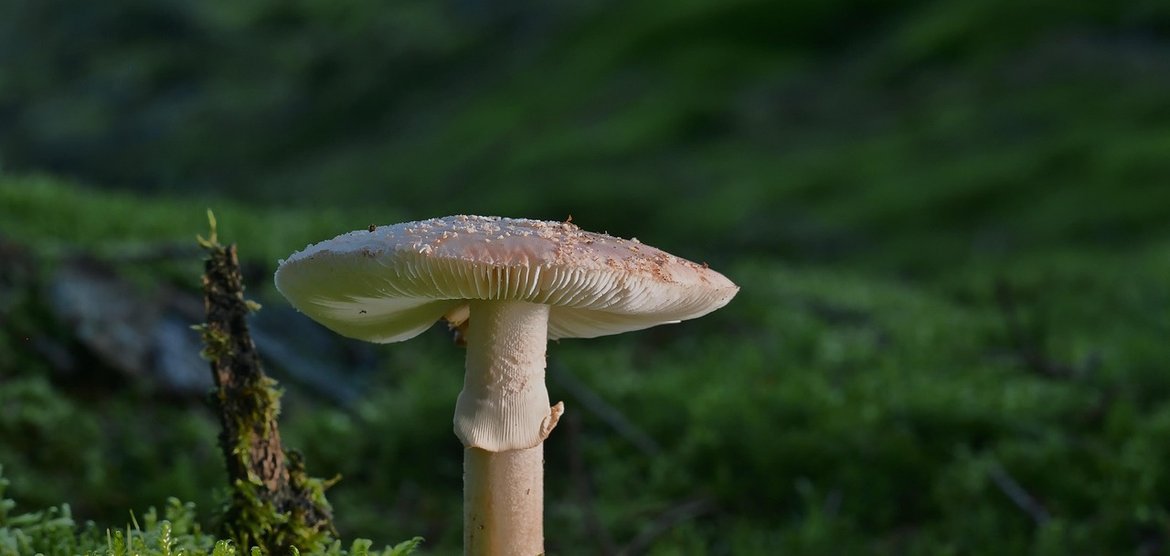
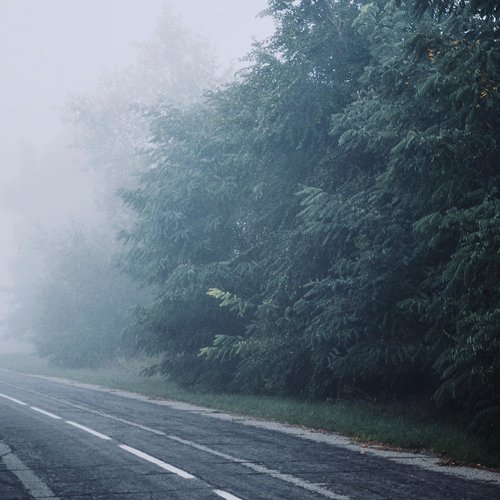
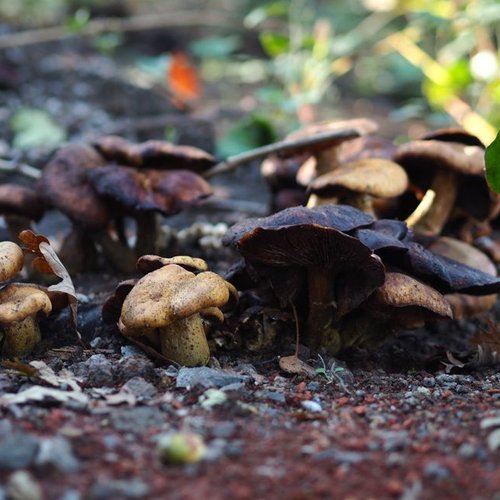
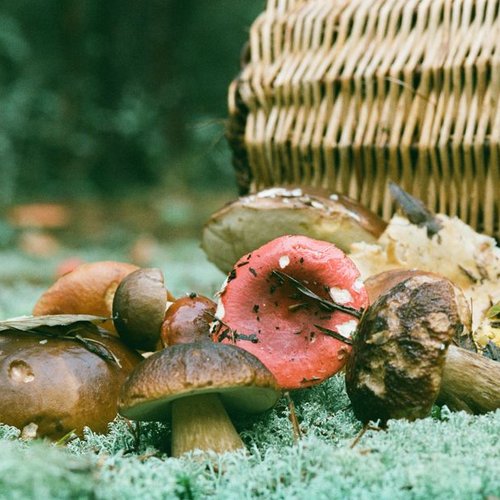




















Beneath every forest floor lies a network that connects, nourishes, and occasionally poisons — much like the hidden architecture of a good story.
Alice Rose
Sep 2, 2026 at 3:12 pm