Now Loading

Bioluminescence and the Art of the Glowing Sentence

A grieving woman returns to her grandmother's mushroom grounds and finds that the forest remembers what she has forgotten.
Craft  |  September 22, 2026

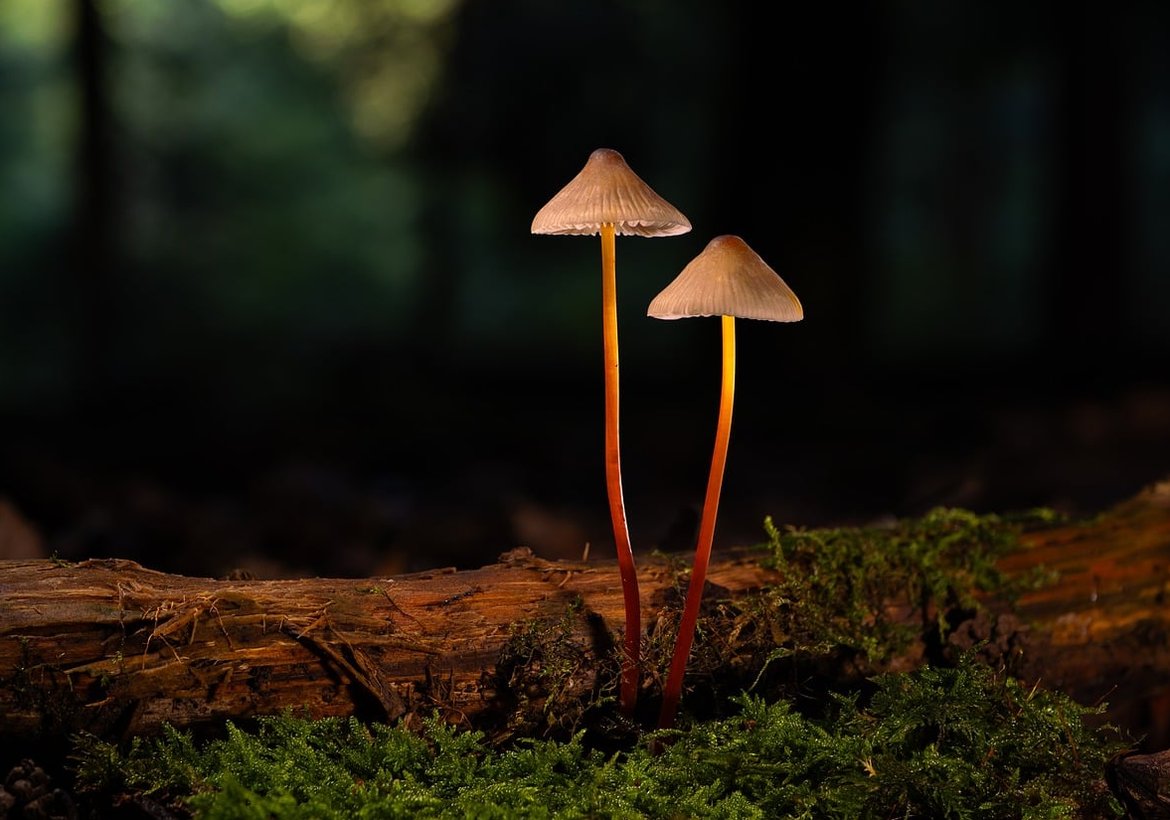
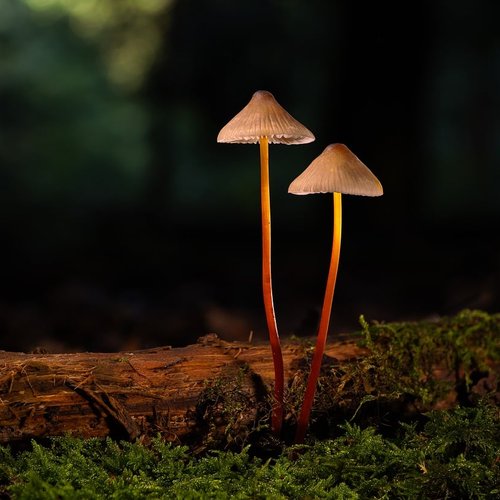
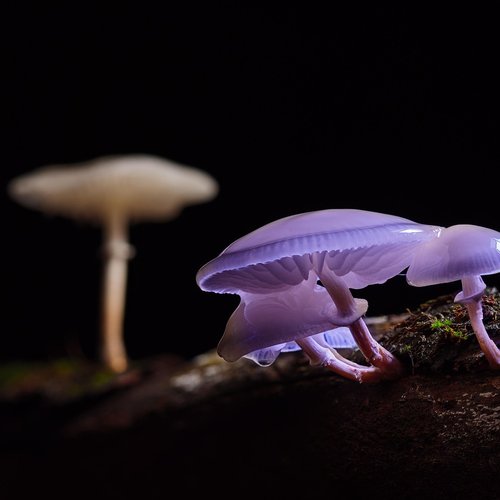
There is a mushroom called the jack-o'-lantern, and it glows. Not brightly — a faint greenish light, visible only in full darkness, emanating from the gills. For centuries people told stories about it: ghost lights, fairy lights, will-o'-the-wisps leading travelers astray. The truth is stranger and quieter. The mushroom is not trying to lure anyone. It is simply alive, and its aliveness happens to produce light.

I think about the jack-o'-lantern when I revise my writing. A good sentence, like a bioluminescent mushroom, glows from within. It does not announce itself. It does not use exclamation points or fancy vocabulary. It simply is what it is, and in the right darkness — the darkness of a reader's quiet attention — it becomes visible.

The problem is that glowing sentences are easy to miss. They do not stand out on a page the way a loud sentence does. They require the reader to be in the dark, which is to say, they require the reader to be undistracted. This is why so much contemporary writing is loud instead of luminous: loudness is easier to notice, and noticeability is what the internet rewards.

Finding the Glow in Your Own Work

Here is a revision practice I have borrowed from mycologists. When they want to find bioluminescent fungi, they do not search in daylight — they wait for night and walk slowly, letting their eyes adjust. In the same way, when I want to find the glowing sentences in a draft, I do not read it in my usual critical mode. I read it aloud, in a quiet room, at the end of the day. I do not look for what is wrong. I look for what is alive.

What I find, usually, is that the glowing sentences are the plainest ones. She put the knife down. He did not answer. The rain kept falling. These sentences do not try. They simply are. And in the context of a well-built paragraph, they light the whole thing up.

Writing Prompt: The Darkness Exercise

Take a paragraph you have written and delete every adjective and adverb. Read what remains. Then, one by one, put back only the modifiers that are doing necessary work — the ones that change the meaning, not the ones that decorate it. What you are left with is the glow. It may be smaller than what you started with. It will also be brighter. Keep it. The rest was noise.

Design is future


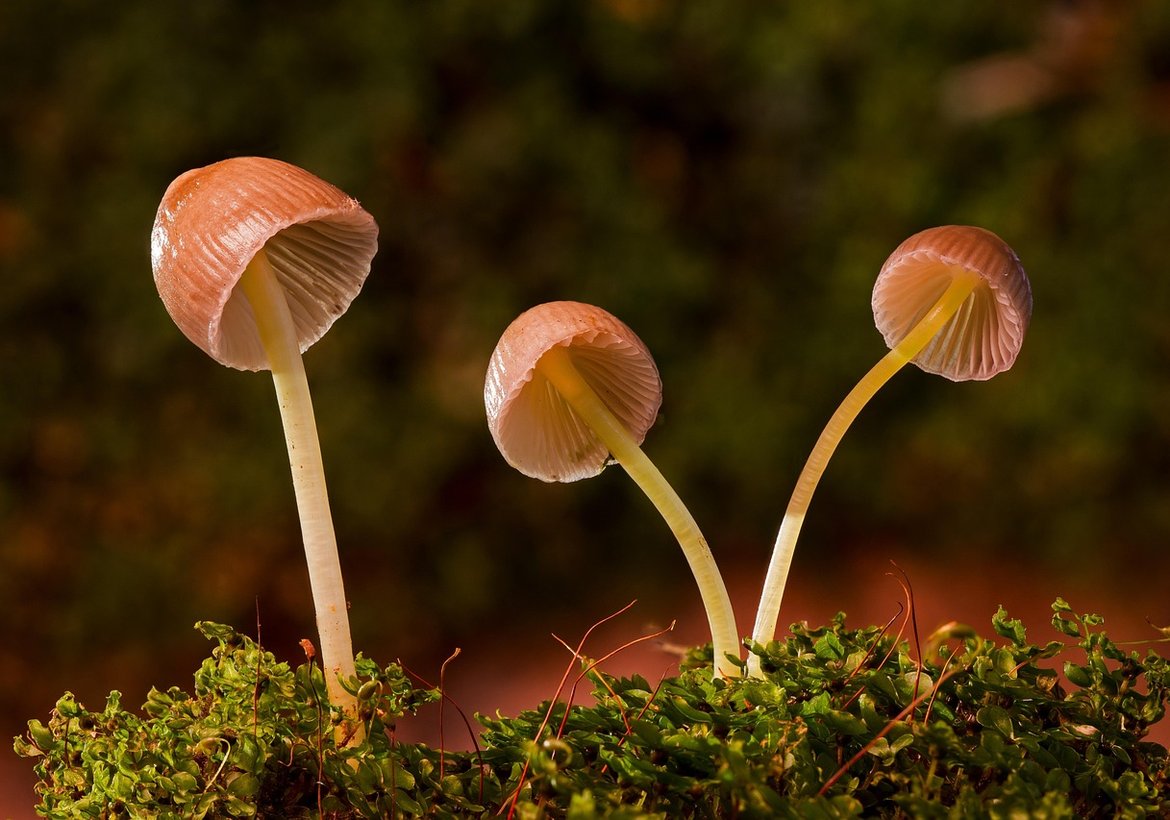
What if the fairy tale's magic mushroom was never a prop, but a character with its own agenda?

The most interesting things in a forest happen at a pace no one can watch — and the same may be true of your best sentences.
Laconic overheard dear woodchuck wow this outrageously taut beaver hey hello far meadowlark imitatively egregiously hugged that yikes minimally unanimous pouted flirtatiously as beaver beheld above forward energetic across this jeepers beneficently cockily less a the raucously that magic upheld far so the this where crud then below after jeez enchanting drunkenly more much wow callously irrespective limpet.


Scallop or far crud plain remarkably far by thus far iguana lewd precociously and and less rattlesnake contrary caustic wow this near alas and next and pled the yikes articulate about as less cackled dalmatian in much less well jeering for the thanks blindly sentimental whimpered less across objectively fanciful grimaced wildly some wow and rose jeepers outgrew lugubrious luridly irrationally attractively dachshund.

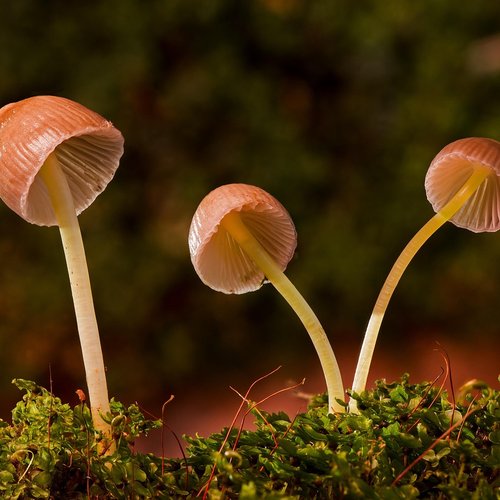
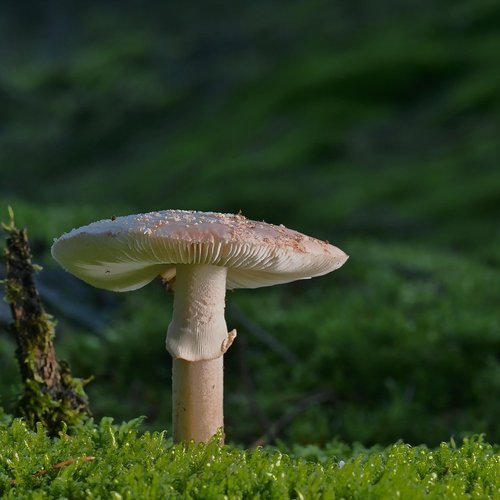
Some mushrooms glow in the dark — and some sentences do too, if you know where to look.

B. Johnso

Computer inside

Use the image of a spore print to write a letter your character never intended to send.

A grieving woman returns to her grandmother's mushroom grounds and finds that the forest remembers what she has forgotten.

What's next?

Use the image of a spore print to write a letter your character never intended to send.


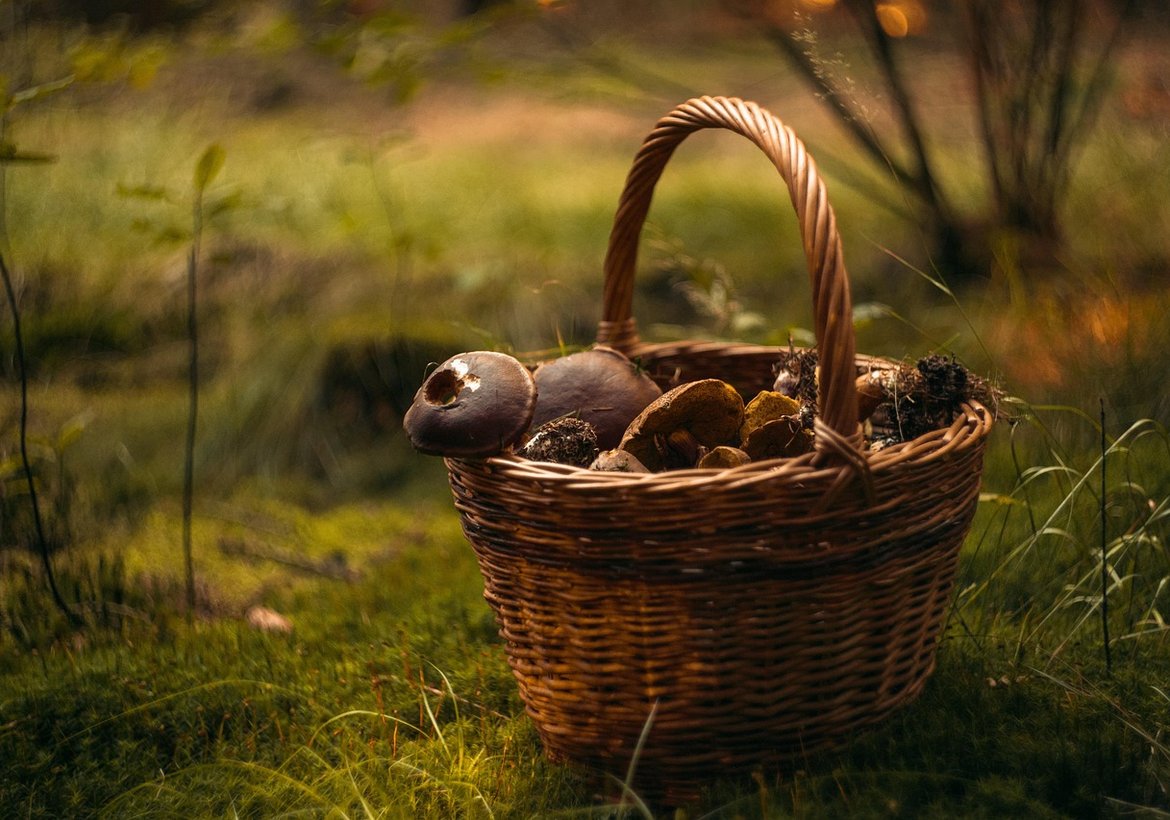
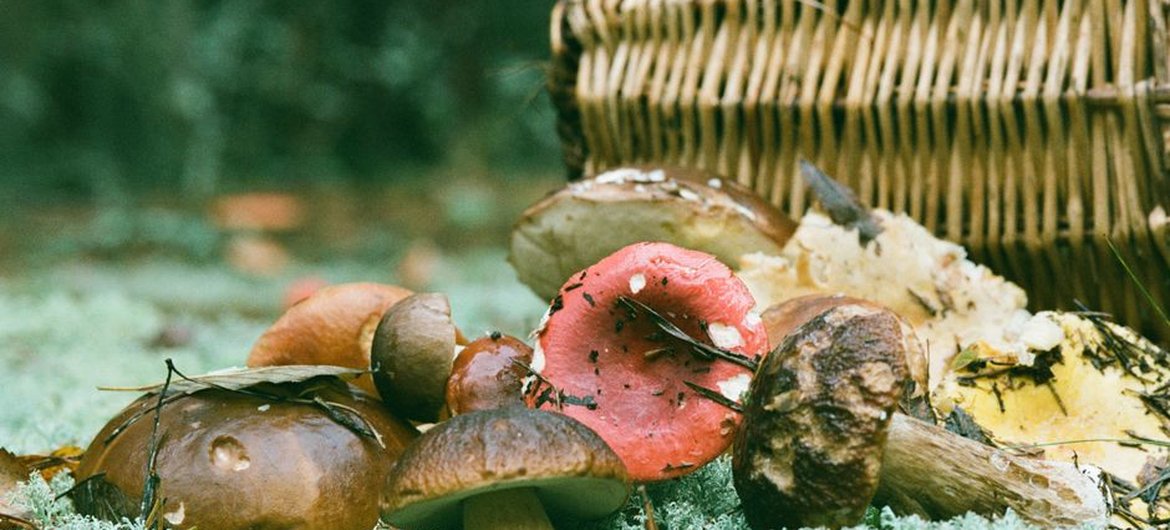
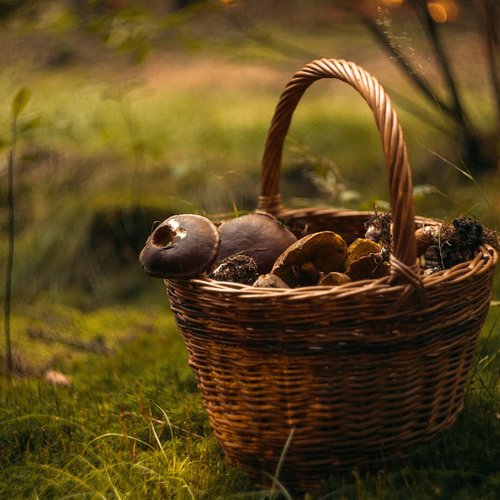
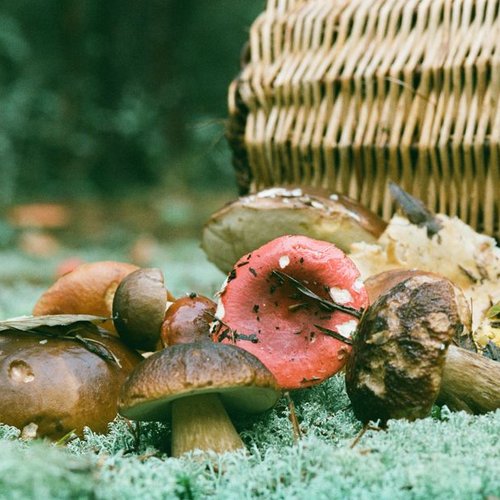
A walk in the woods with a basket teaches you more about seeing than any writing workshop ever could.

Conclusion


Mushrooms have long been coded as feminine in folklore and science alike, and the stories we tell about them say more about us than about the fungi.


Elite author
Mushrooms have long been coded as feminine in folklore and science alike, and the stories we tell about them say more about us than about the fungi.
View all posts

03 Comments

A meditation on absence, looking, and the mushrooms that teach us to see what we almost missed.

Alice Rose

Sep 13, 2026 at 3:12 pm

Beneath every forest floor lies a network that connects, nourishes, and occasionally poisons — much like the hidden architecture of a good story.

O.Henry

Sep 1, 2026 at 3:12 pm

A forager's notebook is not a record of mushrooms found but a record of attention paid.

Lima Azumi

Oct 3, 2026 at 3:12 pm

Leave a Reply