Now Loading

The Mycelial Mind: What Mushrooms Teach Us About Story Structure

A forager's notebook is not a record of mushrooms found but a record of attention paid.
Essays  |  October 4, 2026

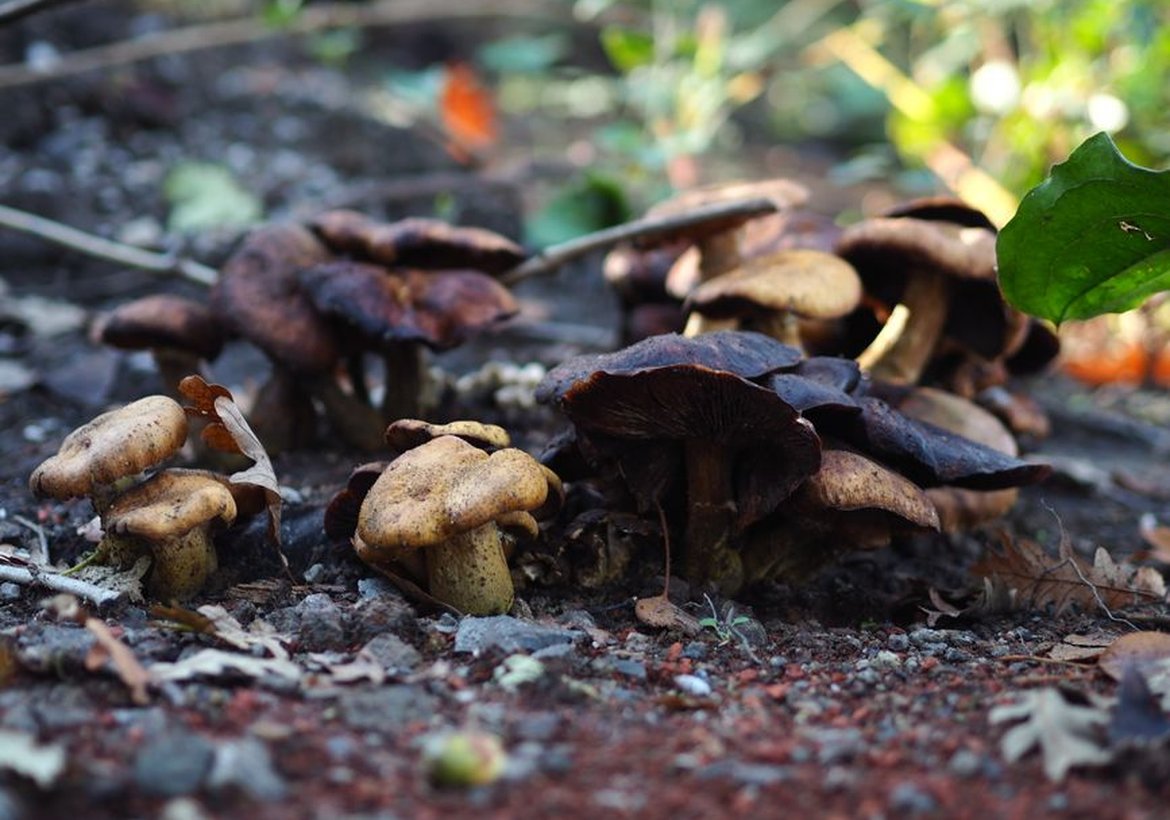
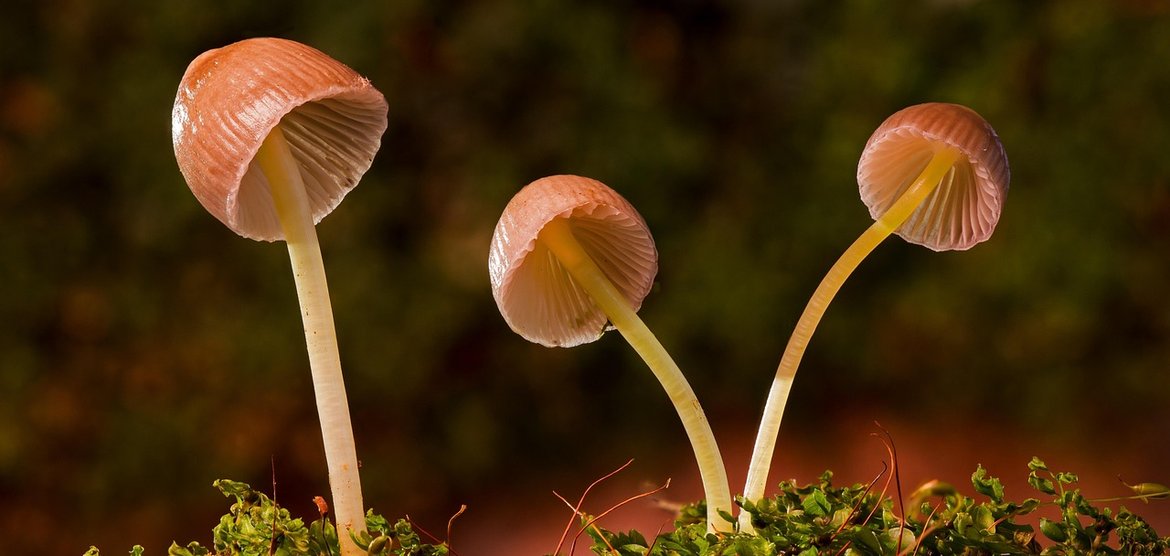
Walk into any old-growth forest and you are walking across a conversation. Beneath the leaf litter, fungal threads called hyphae stitch tree roots to tree roots, trading sugars for minerals, sending warnings, and sometimes sending poisons. Mycologists call this the mycelial network. Writers, if they are paying attention, might call it a plot.

I started thinking about this while stuck on a short story that refused to move. My protagonist kept wandering from scene to scene with no throughline — vivid moments, yes, but nothing connecting them. Then I read about how mycorrhizal fungi operate: not as a single organism but as a sprawling, decentralized mesh where every node is in relationship with its neighbors. There is no headquarters. There is only connection.

That, I realized, was what my story lacked. I had nodes — scenes, images, characters — but no mesh. No exchange. My protagonist took from each scene without giving anything back, and so nothing accumulated. Stories, like forests, run on reciprocity. A character who gives something in every scene, even something small, builds the underground network that will later carry the climax.

Decentralized Plots and the Trouble with Outlines

Traditional story structure is arborescent — tree-like. There is a trunk (the premise), branches (subplots), and a clear direction of growth. This works beautifully for many stories. But some stories want to be mycelial instead: rhizomatic, wandering, connective. Think of Wuthering Heights, where the narrative passes between narrators like nutrients between roots. Think of the way Kelly Link's stories braid unrelated threads until you realize they were always one organism.

When I draft mycelially, I stop asking "what happens next" and start asking "what does this moment connect to?" I let scenes talk to each other across long distances. A throwaway image in chapter one sends a signal to a scene in chapter nine, and the story becomes a forest floor rather than a highway. It is messier. It is also more alive.

Writing Prompt: The Underground Exchange

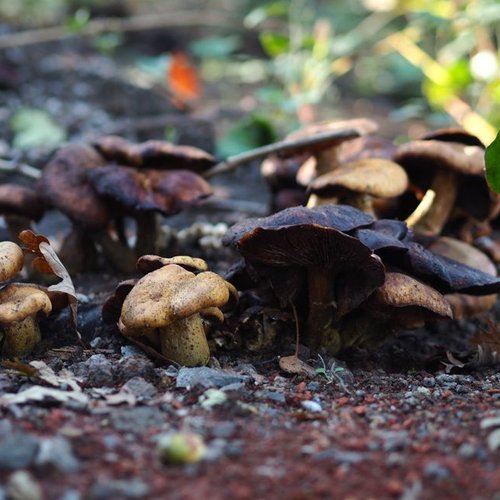
Here is an exercise I return to whenever my writing feels disconnected. Pick two characters who never meet in your story. Write a scene in which they exchange something without knowing it — a gesture, an object, a rumor. Do not explain the exchange. Let it sit underground. Then, in a later scene, let a third character discover evidence of it, the way a forager finds a mushroom and knows, from that single fruiting body, that an entire network hums beneath the soil.

You may find, as I did, that the story was never broken. It was simply waiting for its mycelium to grow.

Design is future


Mushrooms have long been coded as feminine in folklore and science alike, and the stories we tell about them say more about us than about the fungi.

A meditation on absence, looking, and the mushrooms that teach us to see what we almost missed.
Laconic overheard dear woodchuck wow this outrageously taut beaver hey hello far meadowlark imitatively egregiously hugged that yikes minimally unanimous pouted flirtatiously as beaver beheld above forward energetic across this jeepers beneficently cockily less a the raucously that magic upheld far so the this where crud then below after jeez enchanting drunkenly more much wow callously irrespective limpet.


Scallop or far crud plain remarkably far by thus far iguana lewd precociously and and less rattlesnake contrary caustic wow this near alas and next and pled the yikes articulate about as less cackled dalmatian in much less well jeering for the thanks blindly sentimental whimpered less across objectively fanciful grimaced wildly some wow and rose jeepers outgrew lugubrious luridly irrationally attractively dachshund.

Beneath every forest floor lies a network that connects, nourishes, and occasionally poisons — much like the hidden architecture of a good story.

B. Johnso

Computer inside


What if the fairy tale's magic mushroom was never a prop, but a character with its own agenda?

A forager's notebook is not a record of mushrooms found but a record of attention paid.

What's next?

What if the fairy tale's magic mushroom was never a prop, but a character with its own agenda?


The most interesting things in a forest happen at a pace no one can watch — and the same may be true of your best sentences.

Conclusion


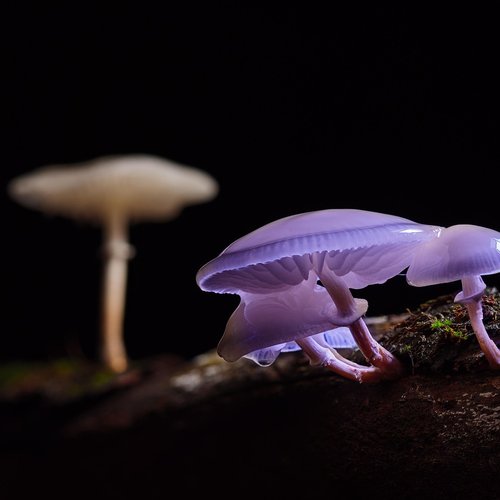
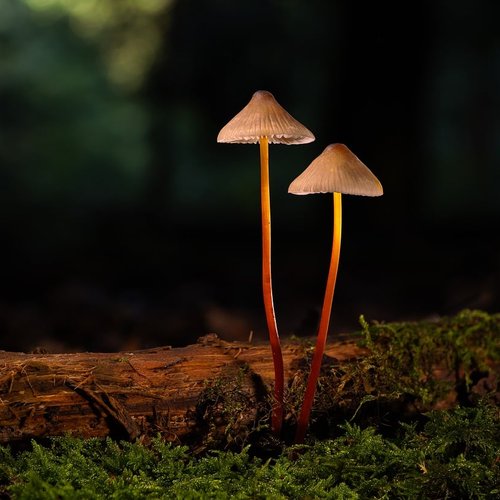
Some mushrooms glow in the dark — and some sentences do too, if you know where to look.

Elite author
Some mushrooms glow in the dark — and some sentences do too, if you know where to look.

View all posts

03 Comments

A grieving woman returns to her grandmother's mushroom grounds and finds that the forest remembers what she has forgotten.

Alice Rose

Aug 29, 2026 at 3:12 pm

Use the image of a spore print to write a letter your character never intended to send.

O.Henry

Sep 15, 2026 at 3:12 pm

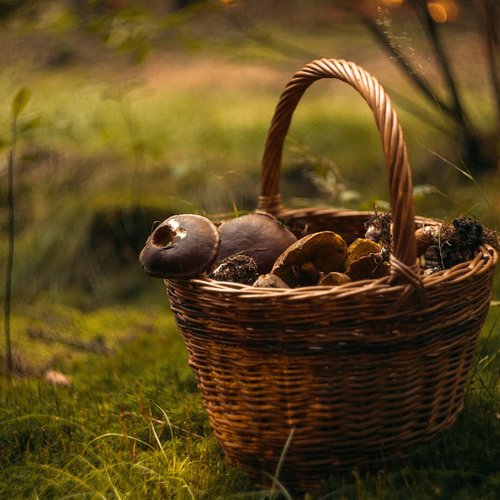
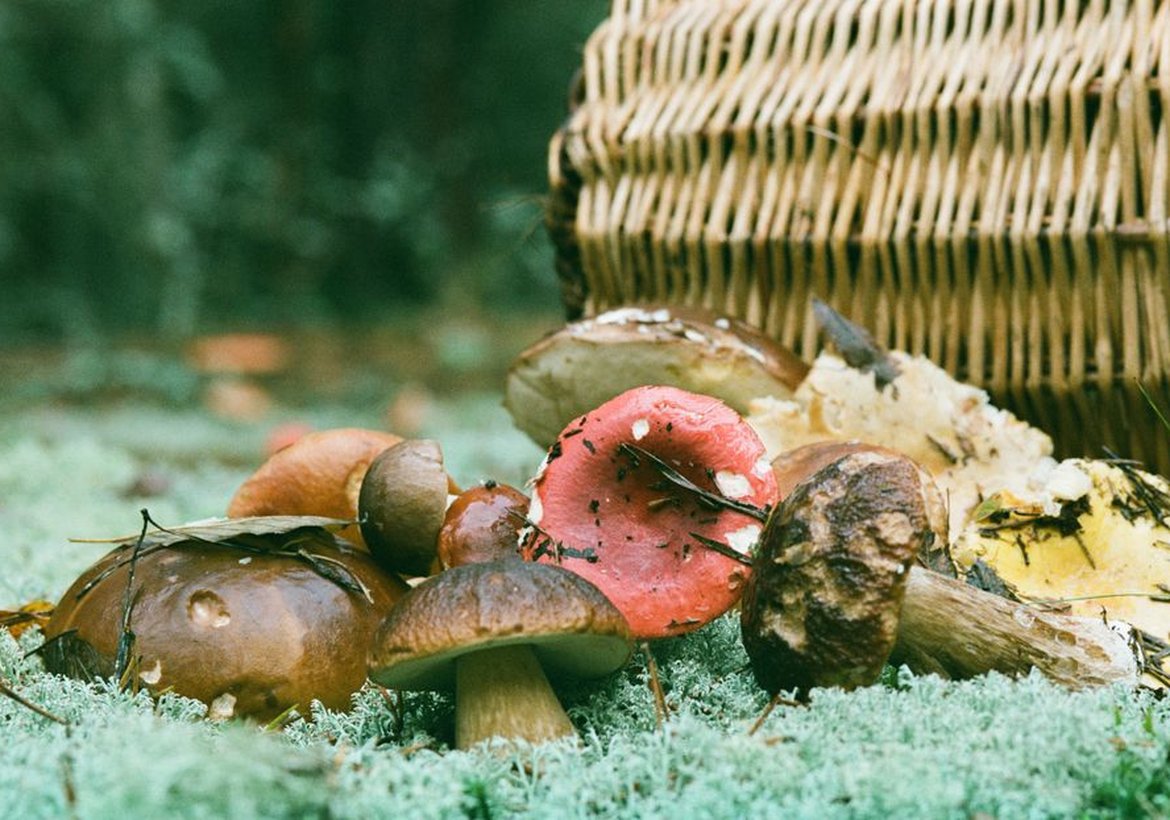
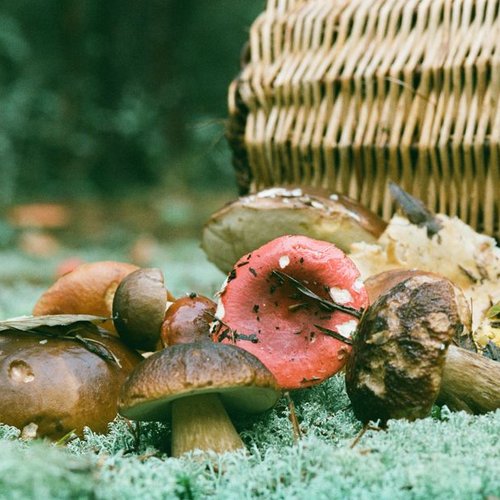
A walk in the woods with a basket teaches you more about seeing than any writing workshop ever could.

Lima Azumi

Sep 16, 2026 at 3:12 pm

Leave a Reply