Creative Nonfiction | September 7, 2026
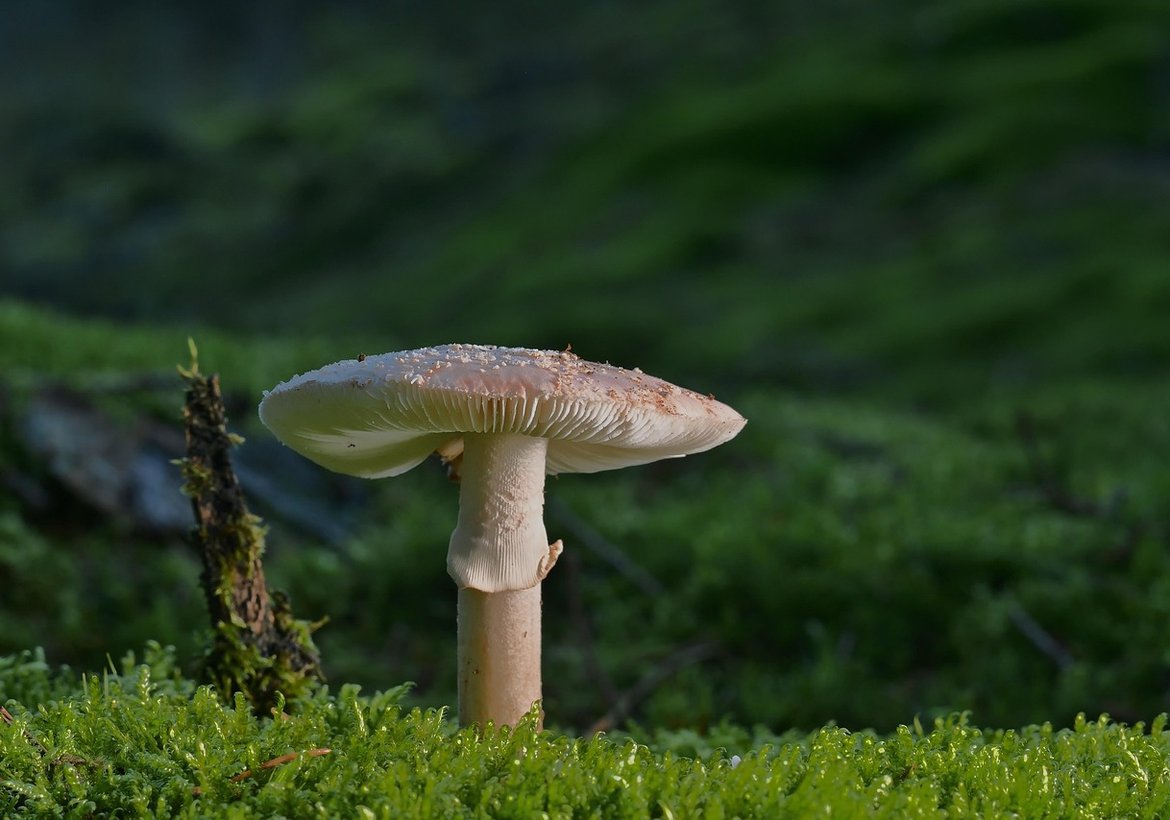
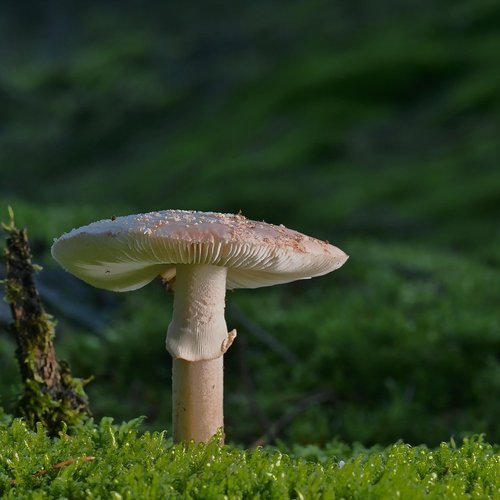
The mushroom was not there. I want to be clear about this. I had walked this trail a hundred times. I knew the log, the slope, the way the light fell in late afternoon. I knew where the chanterelles came up in a good year, and this was a good year. The rain had been steady. The nights were cool. Everything was right.
And the mushroom was not there.
I stood on the trail and looked at the place where it should have been, and I felt a small, unreasonable grief. It was just a mushroom. There would be other mushrooms. But I had been counting on this one. I had been carrying a picture of it in my mind for weeks, a small golden thing pushing up through the duff, and now the picture had nowhere to go.
I knelt down anyway. I put my hand on the ground where the mushroom wasn't. The soil was cold and damp and smelled like the inside of a tree. There were pine needles and bits of old leaves and a single white strand of mycelium, thin as a hair, running along the underside of a fallen twig. The mushroom wasn't there, but the thing that made the mushroom was. It was waiting. It was doing whatever it does when it's not making mushrooms, which is most of the time.
The Practice of Looking
Foragers talk about search image, the mental template you build for a particular mushroom so that your eyes can find it in a crowded forest. You look at enough chanterelles and your brain learns their shape, their color, the way they sit in the moss. Then one day you're walking and your eyes catch on something and you know before you know. That's the search image working.
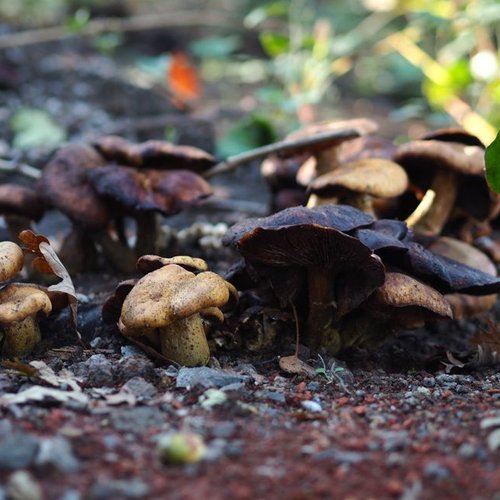
But the search image has a cost. It teaches you to see one thing and not others. It narrows your attention. You become so good at finding chanterelles that you stop seeing the hedgehogs, the corals, the tiny brown jobs that aren't good to eat but are good to know. You stop seeing the forest and start seeing a grocery list.
The mushroom that wasn't there taught me something. It taught me that looking is not the same as finding. It taught me that the absence of a thing is still a kind of presence, still a kind of information. The mycelium was there. The conditions were right. The mushroom just hadn't happened yet. Or it had happened and something had eaten it. Or it was happening somewhere else, a few feet away, where I hadn't thought to look.
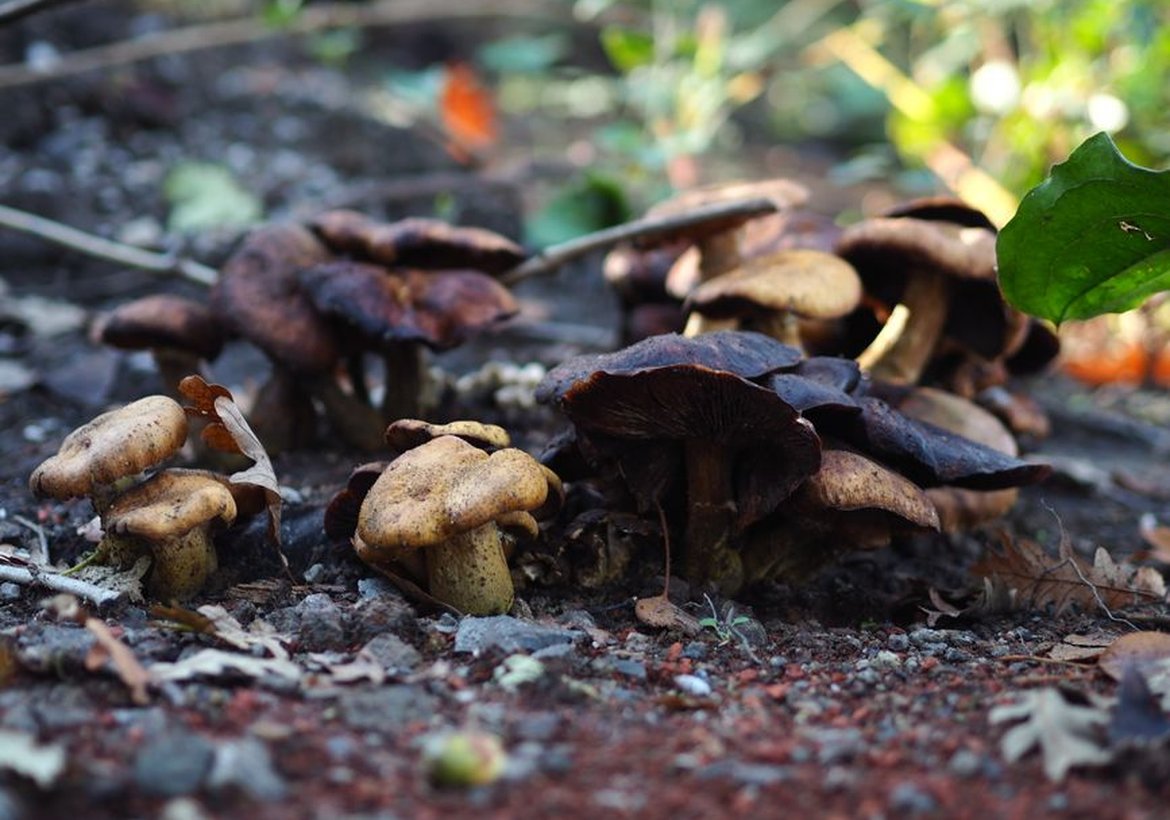
I stood up and kept walking. I didn't find any chanterelles that day. I found a cluster of tiny orange cups on a rotting branch, and a slug the color of amber, and a feather from a bird I couldn't name. I found the sound of the wind in the hemlocks, which is different from the sound of the wind in the pines. I found a place where the ground had been dug up by something, and I stood there for a while and wondered what it had been looking for.
What We Bring Back
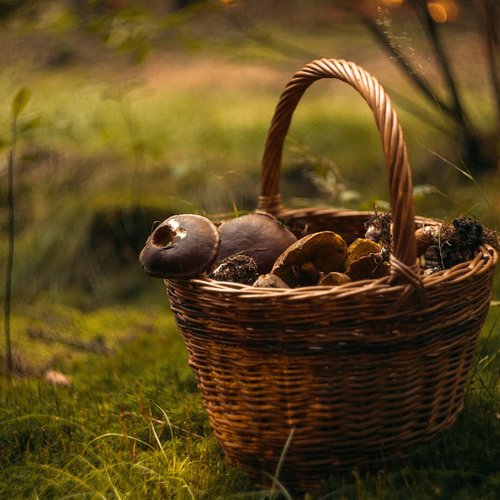
I went home with an empty basket and a full notebook. The notebook is where the real foraging happens, the slow work of turning attention into language. I wrote about the mycelium strand, the slug, the wind. I wrote about the mushroom that wasn't there, and how its absence had made me see everything else.
This is what writing does. It takes the empty basket and makes it full. It takes the thing that didn't happen and gives it a shape. It is not the same as finding the mushroom. It is something else, something quieter, something that grows in the dark and waits to be noticed.
The mushroom will come back next year. Or it won't. Either way, I'll be there, looking. That's the practice. That's the whole thing.

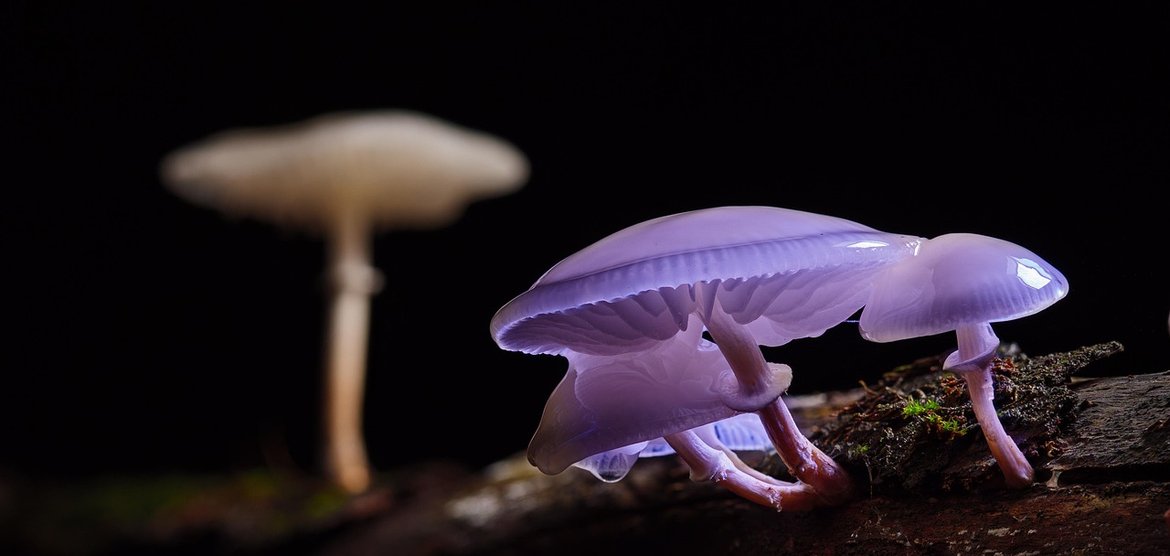
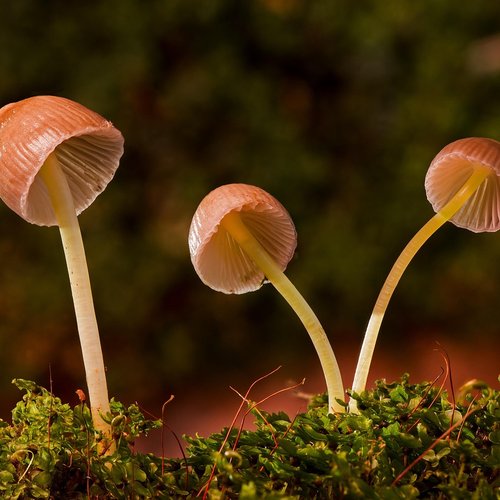
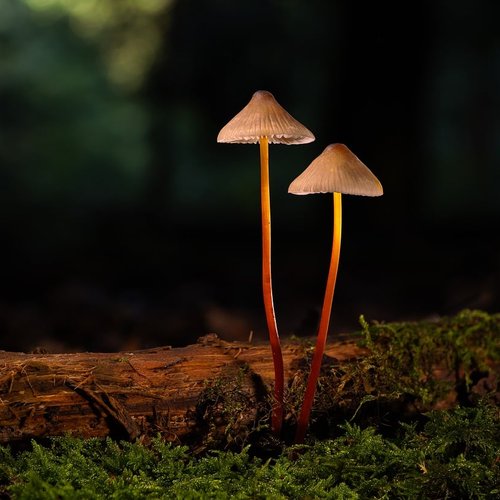




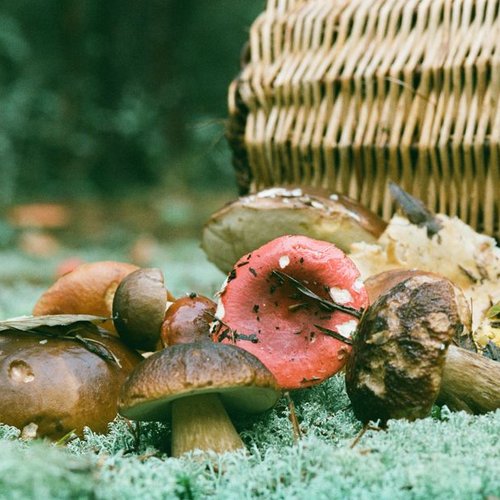
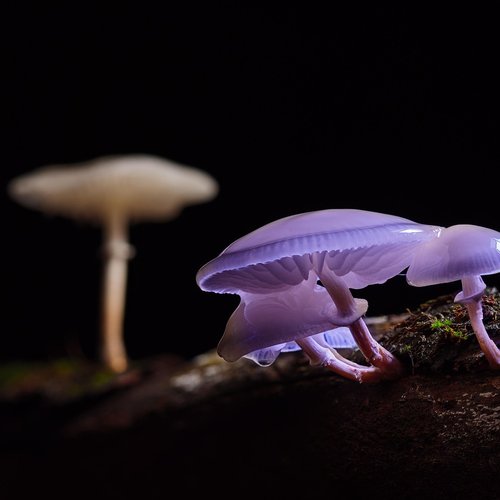















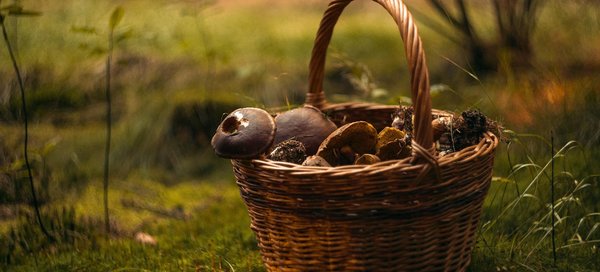

Some mushrooms glow in the dark — and some sentences do too, if you know where to look.
Alice Rose
Sep 19, 2026 at 3:12 pm